











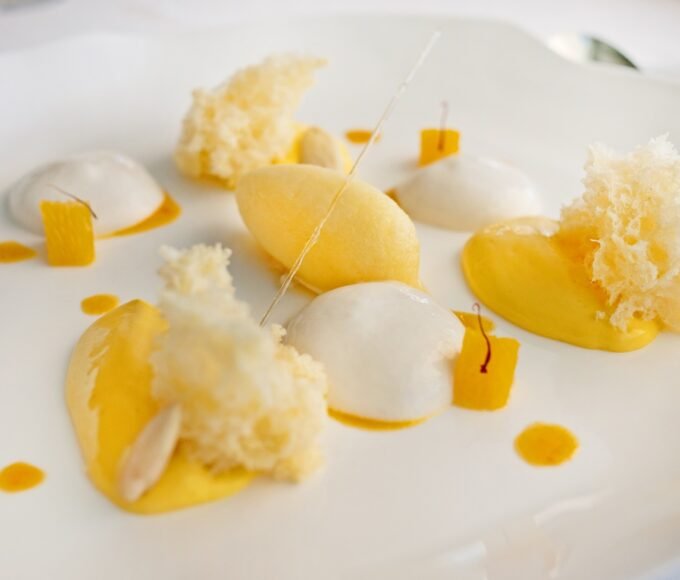
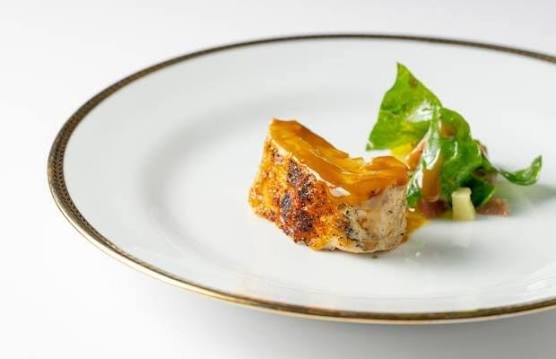
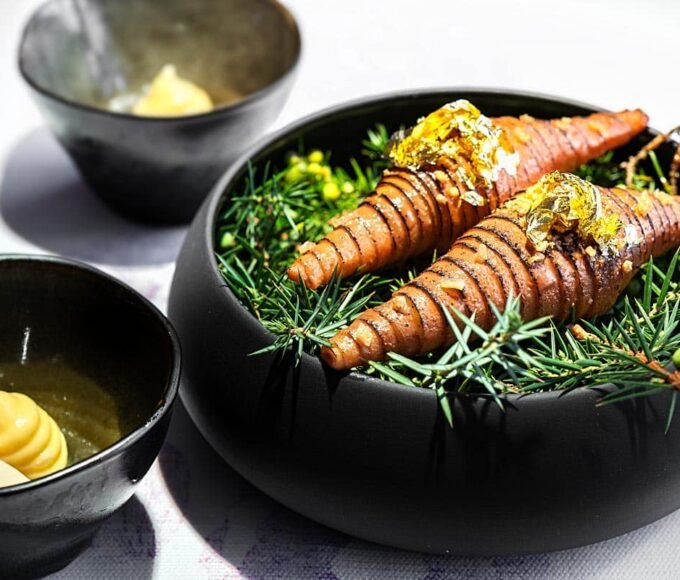


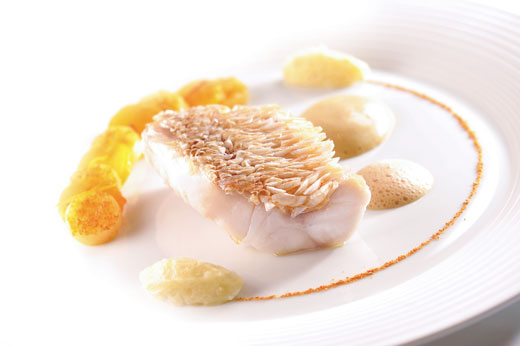
At The Landmark in Hong Kong Amber shows how sustainability innovation and indulgence can now coexist at the highest level of luxury dining.
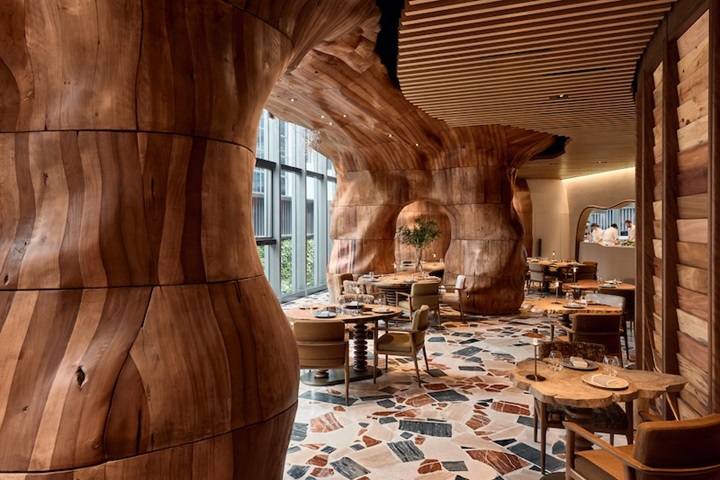
Luxury dining is changing, and perhaps nowhere is that evolution more visible than in restaurants that have learned how to pair indulgence with intention. Amber in Hong Kong is one of the clearest examples of that new balance.
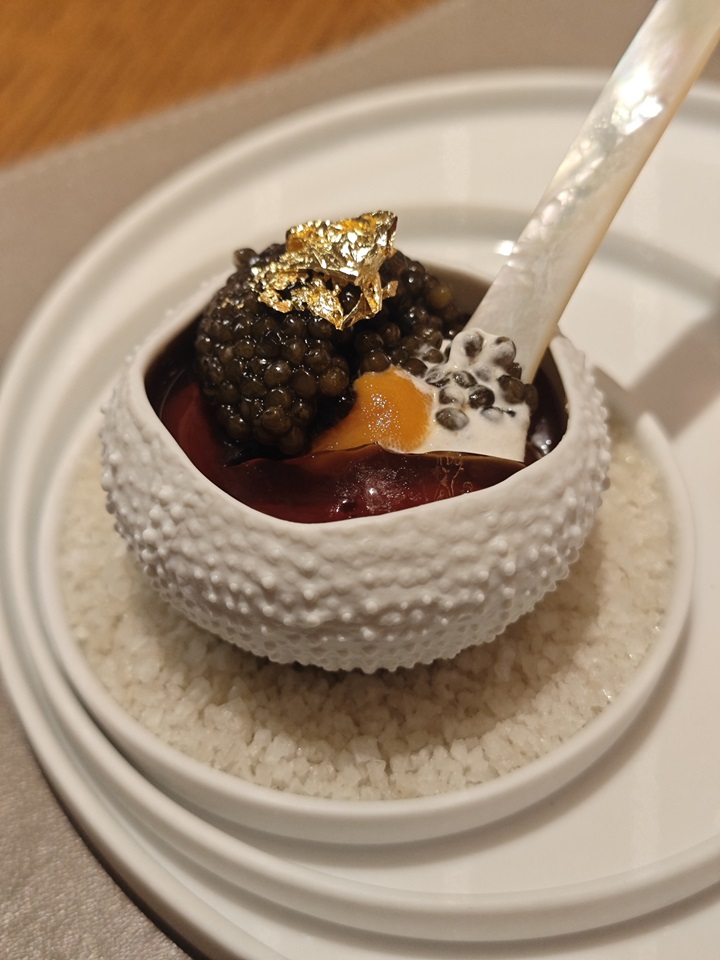
For years, the upper tier of fine dining often equated luxury with abundance alone. Richness, rarity, excess, and theatrical polish defined the ideal. Today, the conversation is more nuanced. The most admired tables still offer beauty and prestige, but they are also expected to show awareness — of ingredients, of sustainability, of design, of how contemporary diners want to feel. Amber fits this moment with remarkable precision.
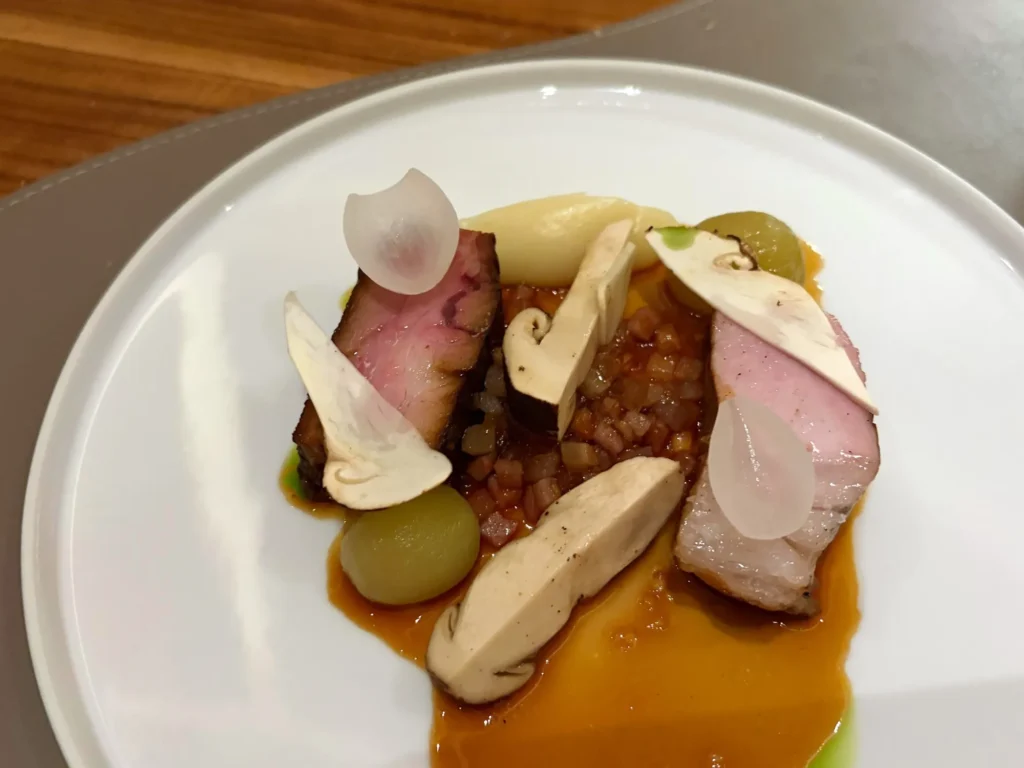
Its appeal lies in the fact that it does not treat responsibility as a compromise. Instead, it frames thoughtful choices as part of the luxury itself. That is a major shift in culinary culture, and a very important one. For the modern high-end diner, ethical sensitivity no longer detracts from the experience. If anything, it elevates it. Luxury now feels more desirable when it is intelligent.
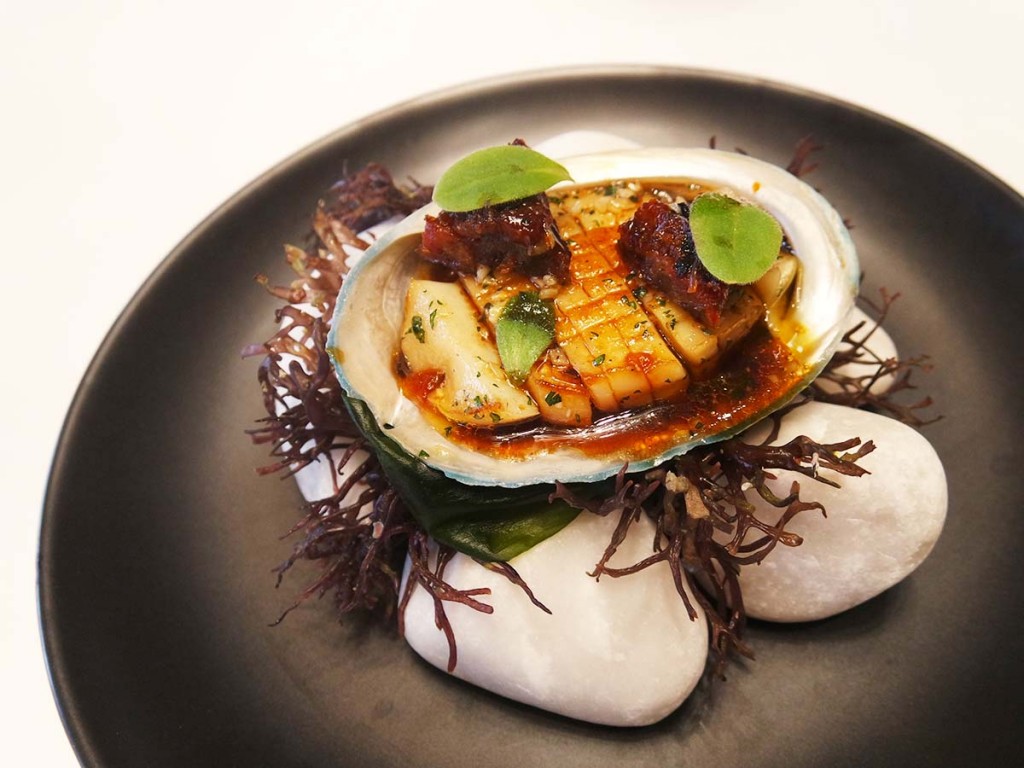
Hong Kong is a natural home for this sort of evolution. The city has always moved quickly, absorbing global influences while maintaining a distinct identity of its own. It appreciates sophistication, but it also values reinvention. Amber speaks fluently to both instincts. It offers the polish and exclusivity expected of a world-class dining room, while also reflecting the contemporary demand for experiences that feel progressive and deeply considered.
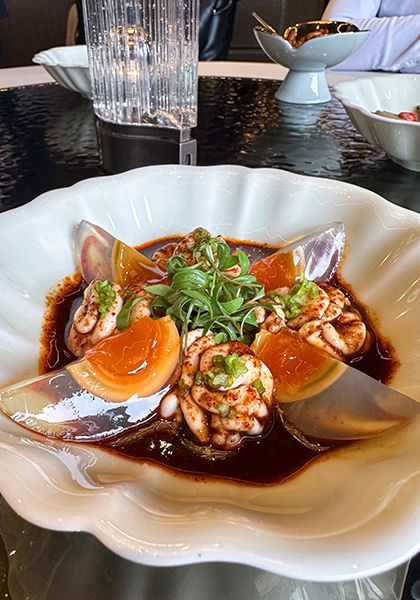
For TKT readers, that makes Amber particularly relevant. It captures one of the most important shifts in luxury lifestyle right now: the merging of glamour with conscience. This is not austerity disguised as chic. It is still indulgent, still elegant, still highly aspirational. But it is indulgence shaped by clarity rather than excess.
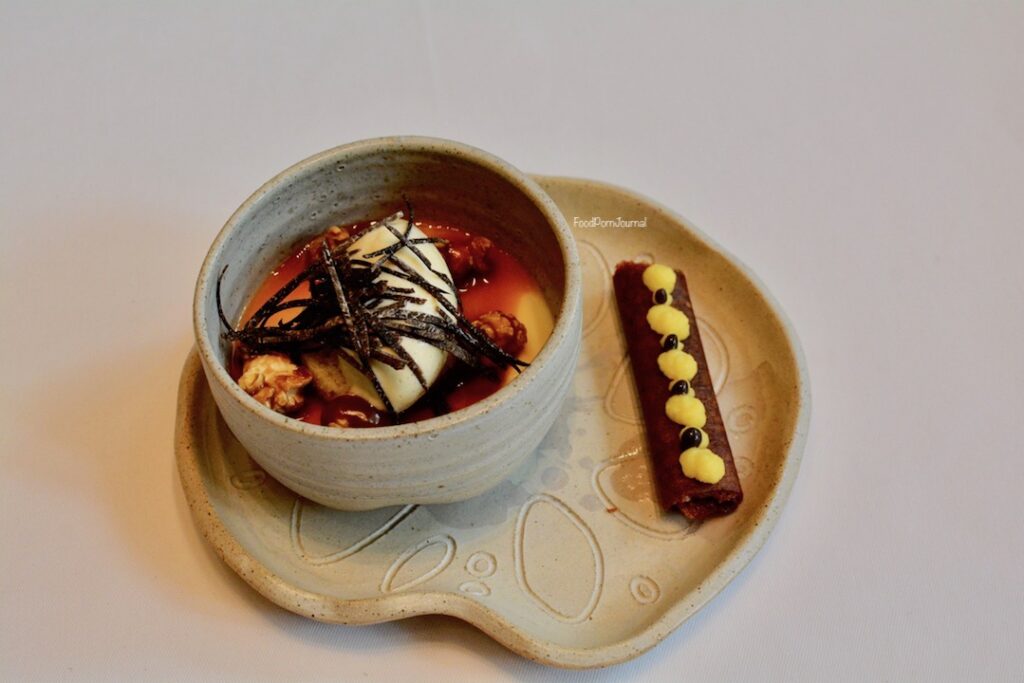
That gives the restaurant a freshness that many legacy fine dining institutions struggle to achieve. It feels attuned to what sophisticated guests now want from a meal. They are not simply looking for prestige markers. They are looking for restaurants that reflect their values as well as their appetites.
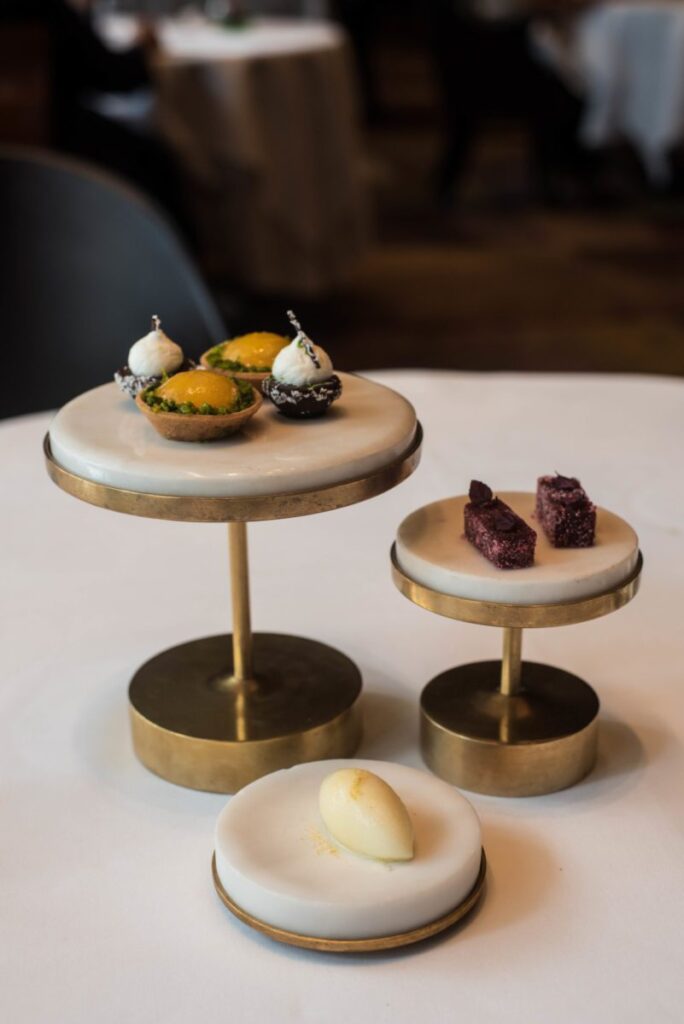
Amber shows how beautifully that can be done. It proves that sustainability, innovation, and refinement can coexist without dulling one another. In fact, when they are aligned properly, they create a dining experience that feels even more luxurious because it is so fully of its time.
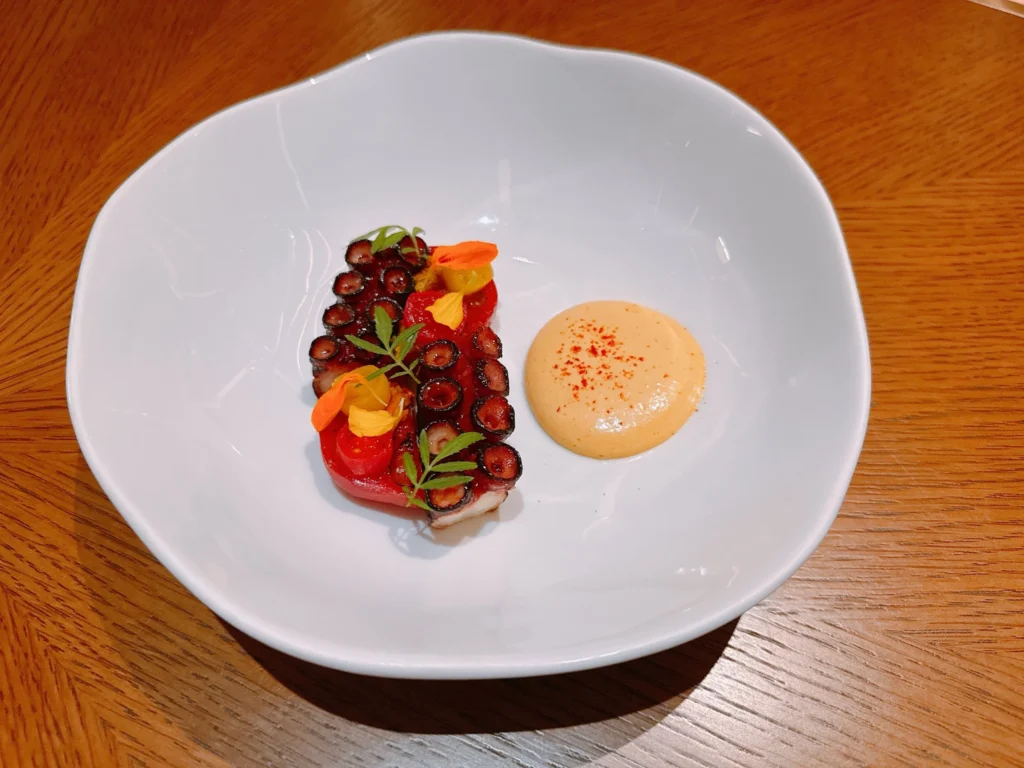
In Hong Kong, where taste has always evolved with speed and confidence, Amber stands as a gold standard for what the future of fine dining can look like.