


























Trèsind Studio transforms India’s regional flavours into an intimate Dubai experience where culinary imagination craftsmanship and confident modern luxury meet.
Dubai has spent years proving that it can attract the world’s biggest culinary names. Trèsind Studio represents something more significant: a home-grown dining experience with enough confidence and originality to influence how the world sees modern Indian cuisine.
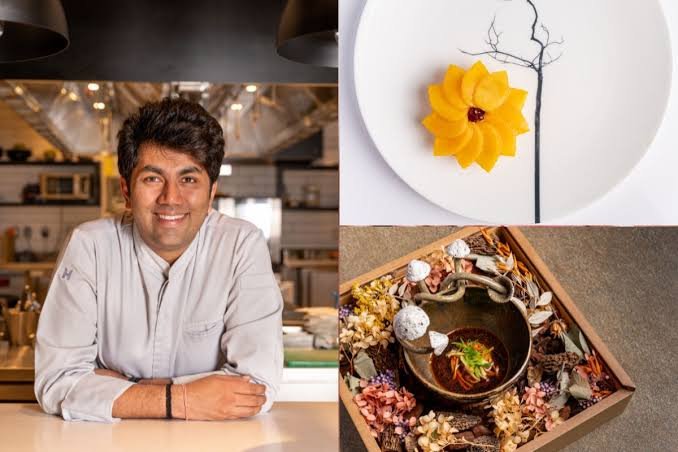
Hidden within St. Regis Gardens on Palm Jumeirah, the restaurant feels deliberately removed from the scale and spectacle usually associated with Dubai hospitality. Its intimate dining room places guests close to the open kitchen and creates an atmosphere that feels focused personal and quietly theatrical.

That intimacy is central to its appeal. In a city known for vast dining rooms and dramatic interiors Trèsind Studio offers a more concentrated form of luxury where every seat feels connected to the experience unfolding around it.
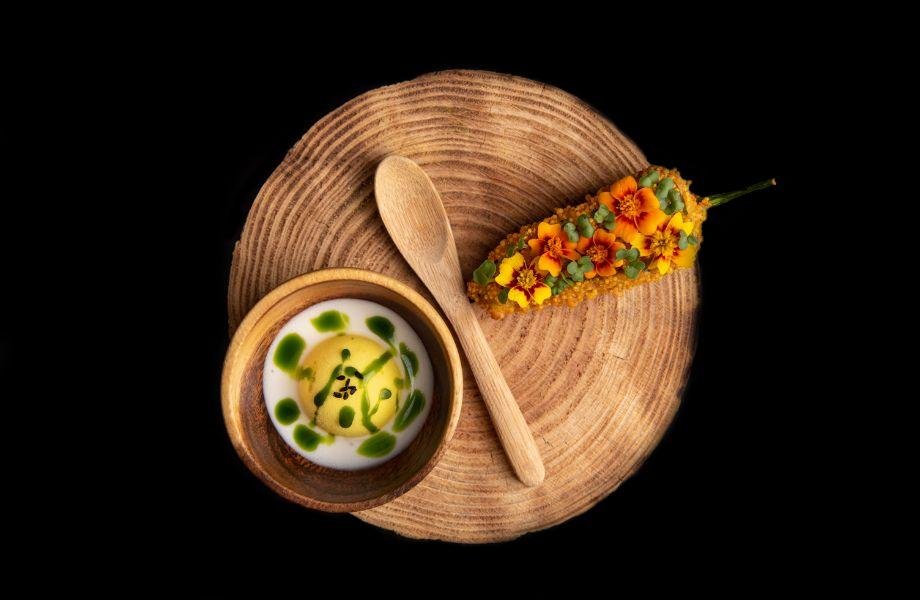
The restaurant’s three-star recognition has elevated its international standing but the real story lies in what that achievement represents. Indian cuisine is not presented as a supporting influence or softened for a global audience. It is placed confidently at the centre of one of Dubai’s most ambitious culinary experiences.
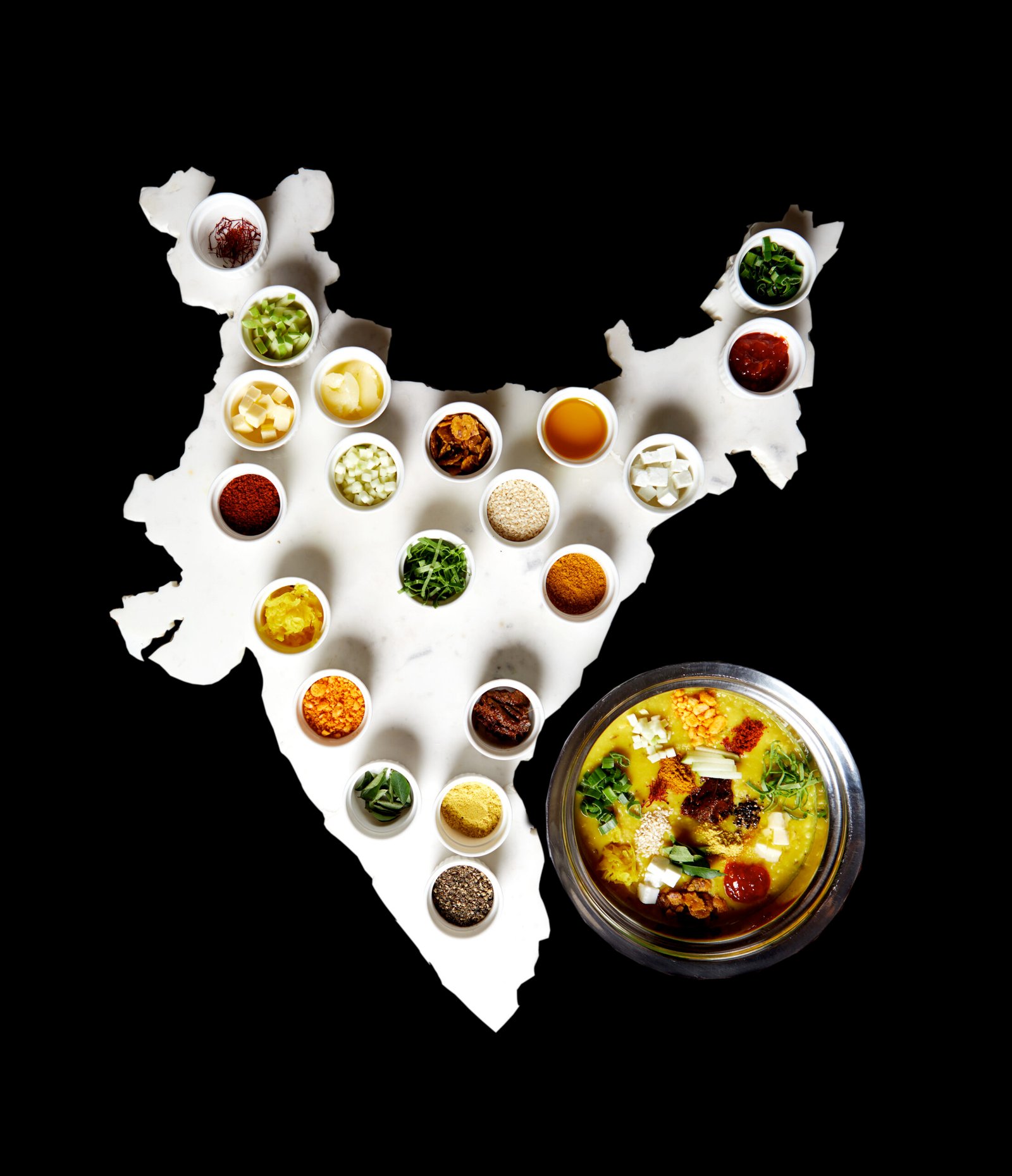
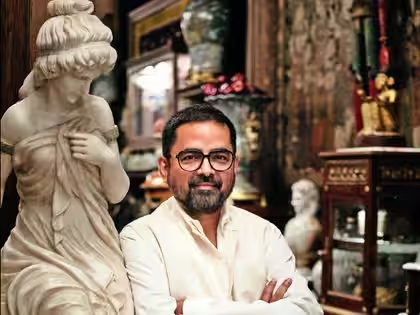
Chef Himanshu Saini approaches the country’s vast culinary heritage with curiosity rather than nostalgia. Familiar flavours techniques and regional traditions are reconsidered through elegant presentations precise cooking and a strong sense of storytelling.

The tasting experience moves through different landscapes and culinary identities rather than treating India as one broad flavour profile. Desert traditions coastal ingredients mountain influences and the richness of the northern plains are given individual space while still belonging to one coherent journey.

This sense of movement gives the meal emotional depth. Guests are not simply presented with a succession of elaborate dishes but invited to explore how geography memory and culture shape the way India eats.
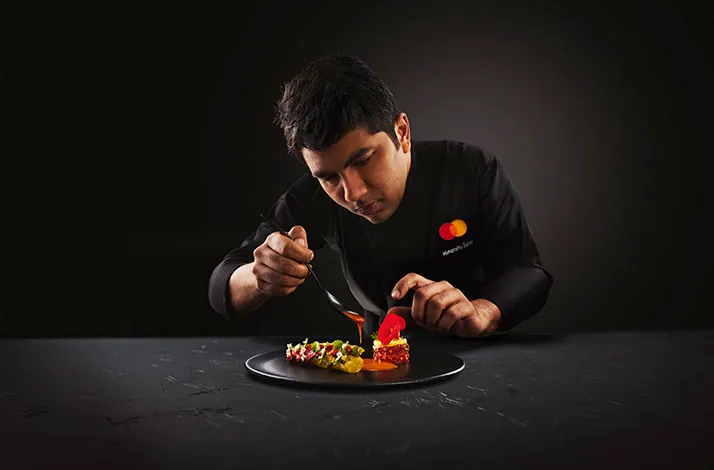
The theatrical touches feel purposeful rather than decorative. A course may arrive with an unexpected ritual or a final flourish at the table but the spectacle is always connected to flavour and meaning.

That distinction matters because modern luxury diners have become increasingly resistant to performance without substance. They still enjoy surprise and visual drama but they expect the cooking beneath it to be thoughtful exact and memorable.
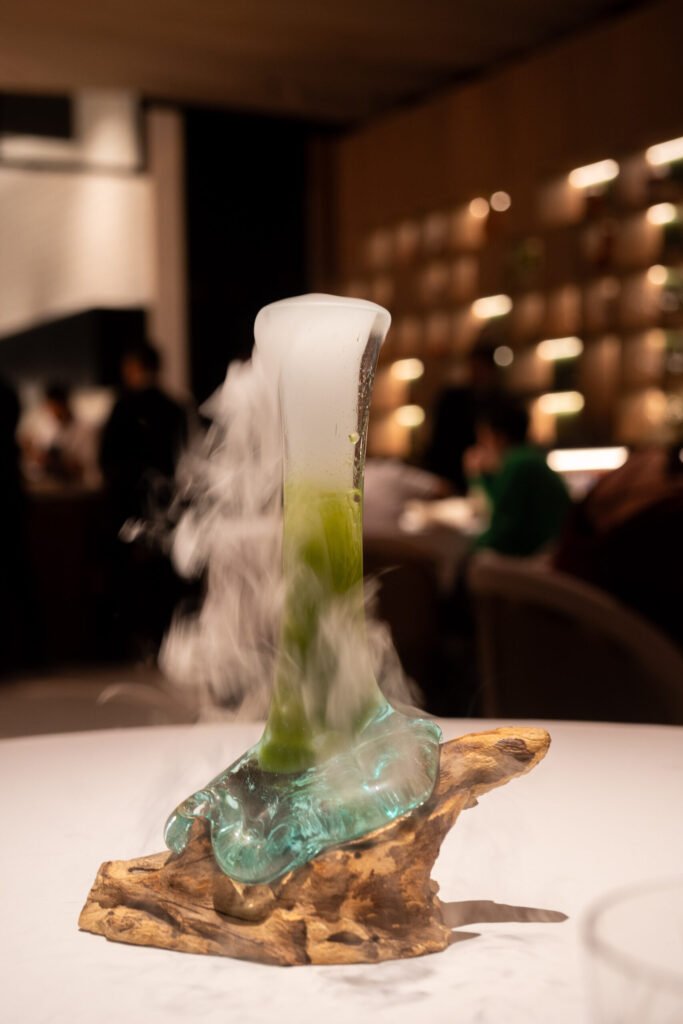
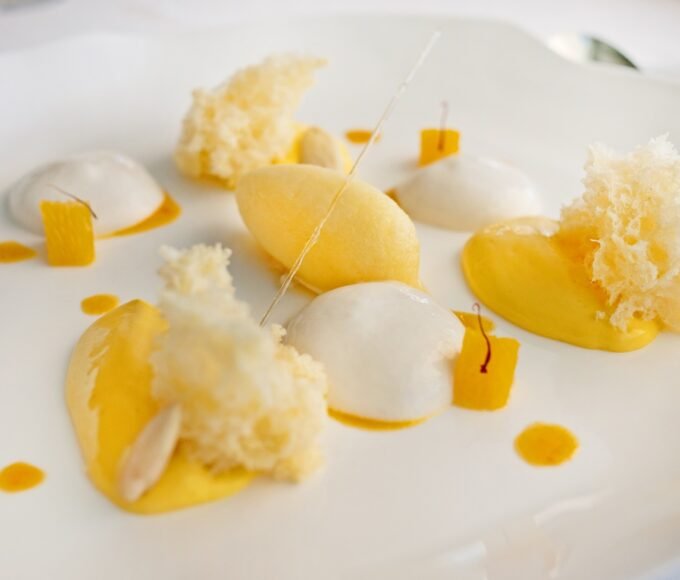
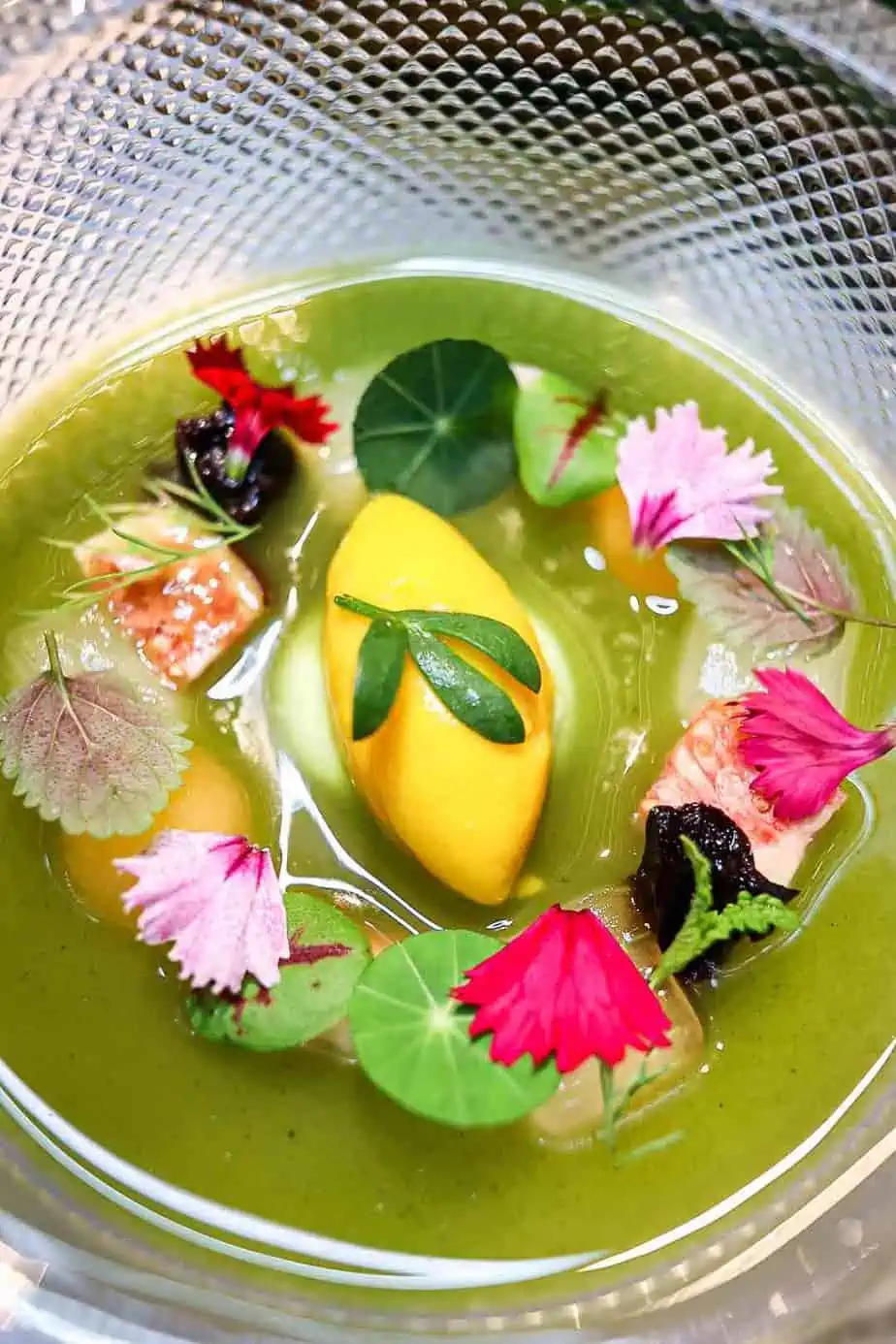
Trèsind Studio understands that expectation remarkably well. Its dishes are visually striking enough to command attention yet they remain grounded in ingredients techniques and stories that feel recognisably Indian.
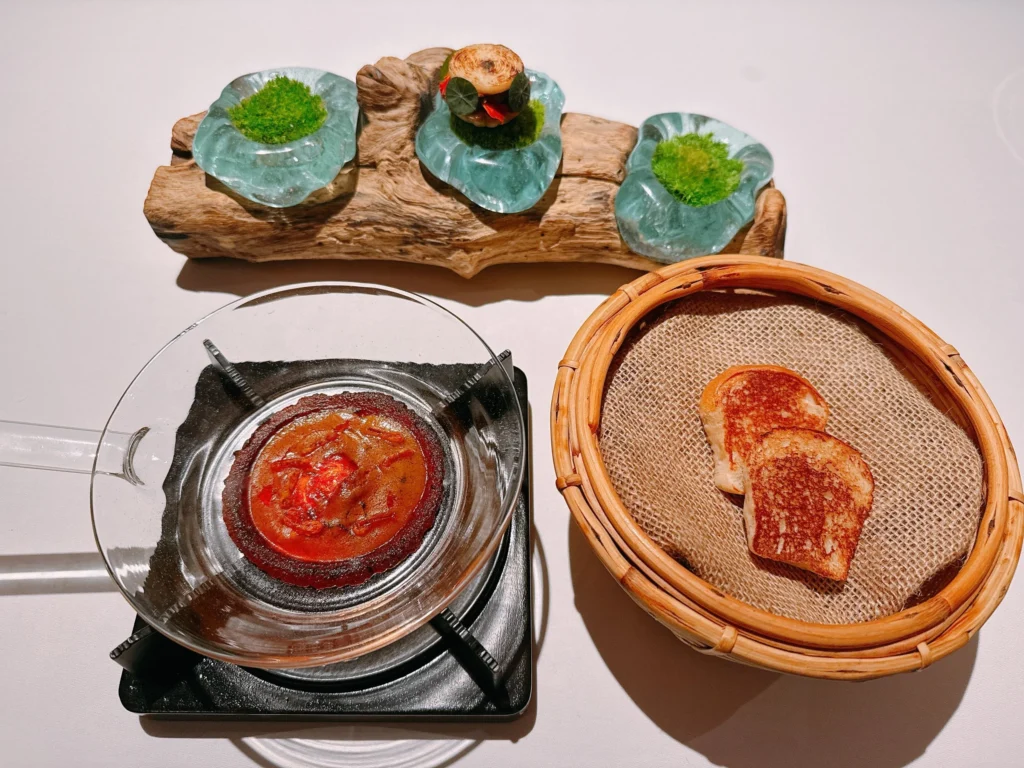
There is also warmth within the precision. The restaurant describes its experience through the language of Indian hospitality and that spirit softens what could otherwise become an overly formal tasting menu.

Service plays an important role in connecting each creation to its inspiration. Rather than leaving guests to admire the presentation from a distance the team helps the evening unfold as a conversation between kitchen culture and diner.
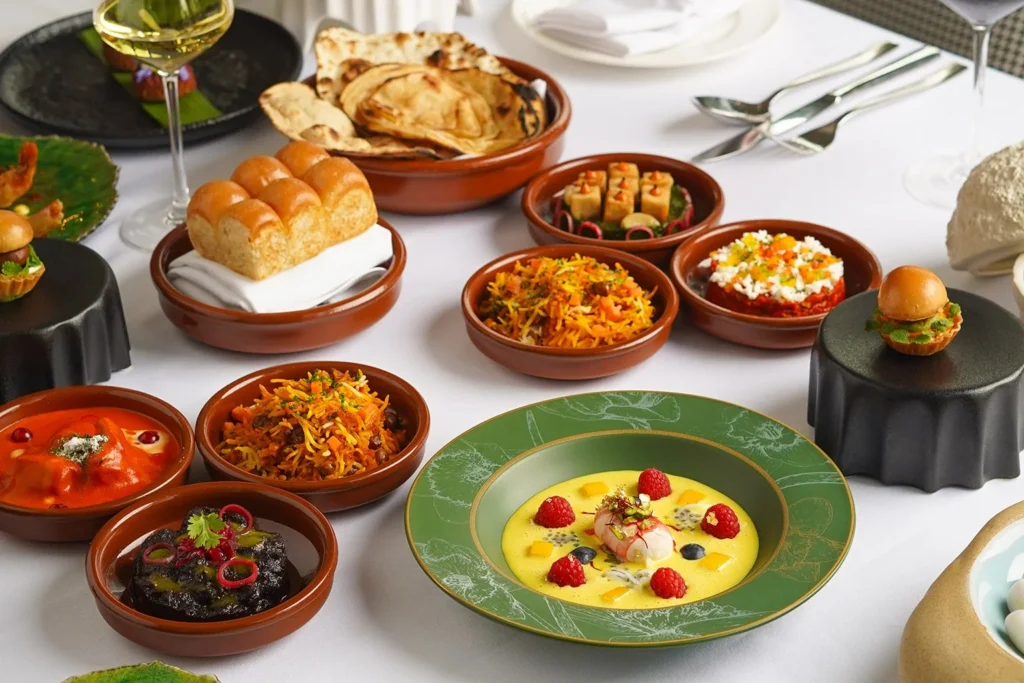
For Dubai this restaurant marks an important shift in culinary confidence. The city is no longer defined only as a destination where celebrated international chefs establish glamorous outposts. It is increasingly producing concepts with identities strong enough to earn their own global influence.
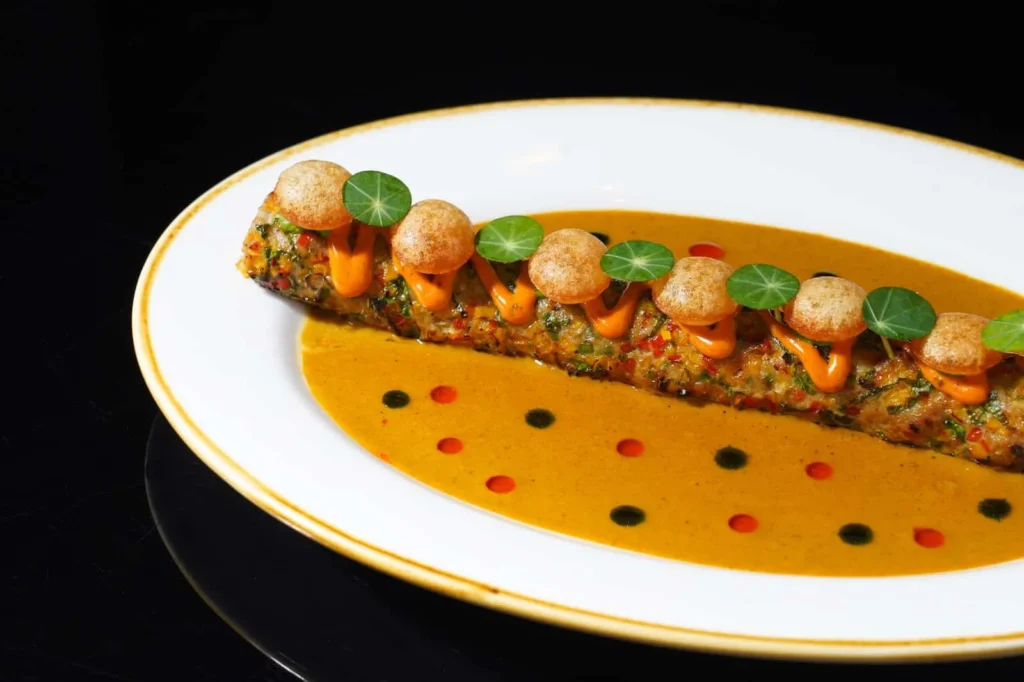
Trèsind Studio belongs to that new generation. It expresses Dubai’s appetite for ambition while retaining a cultural voice that is specific assured and emotionally engaging.
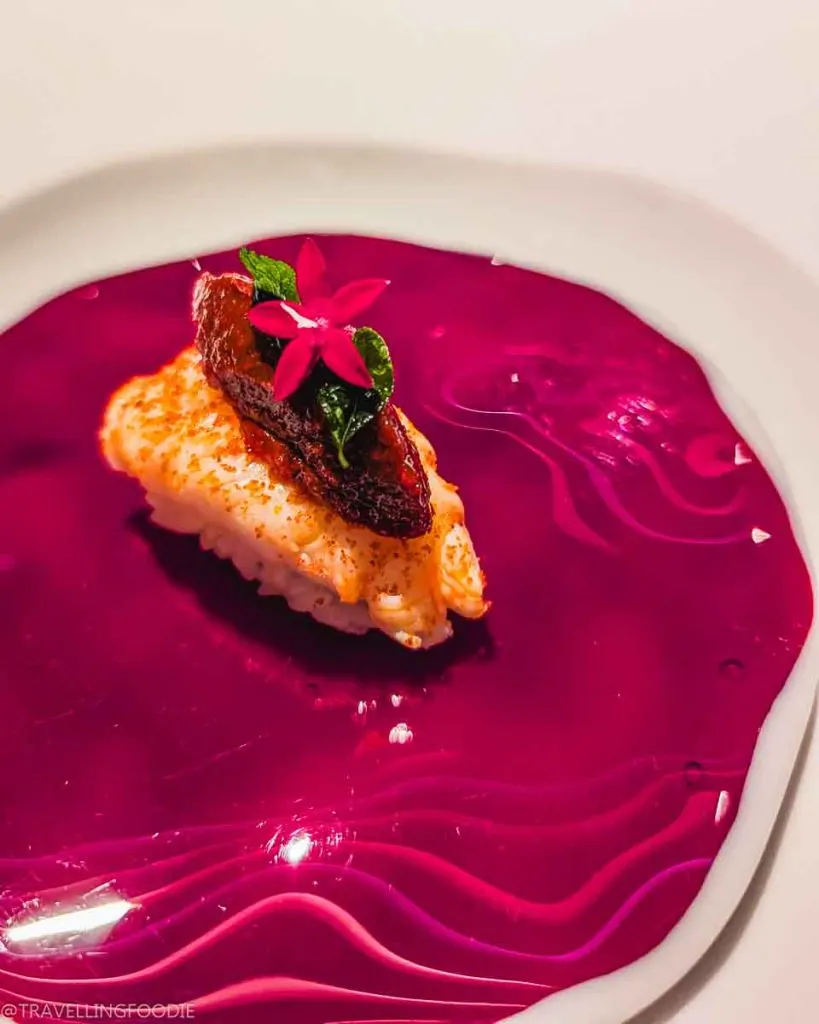
Its luxury does not come from abundance alone. It comes from scarcity attention originality and the sense that every detail has been shaped for a very small number of guests.

That makes the restaurant particularly relevant to the direction of contemporary fine dining. Today’s most desirable tables often feel intimate rather than imposing and personal rather than excessively ceremonial.

In just fifteen seats Trèsind Studio creates a culinary world large enough to hold the many landscapes of India. It is a powerful example of what happens when heritage is treated not as a limitation but as the starting point for confident modern luxury.