

















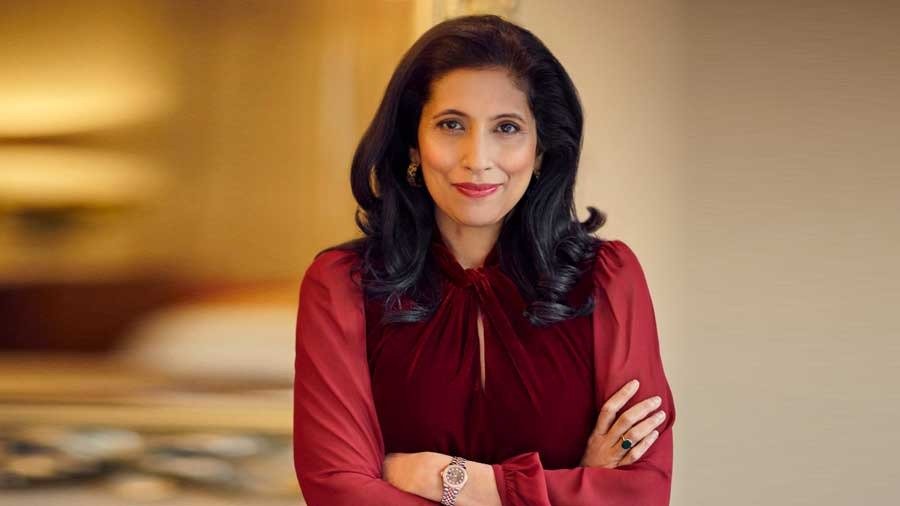
Leena Nair brings empathy strategic discipline and a distinctly human approach to leadership at one of luxury’s most revered fashion houses.
Luxury leadership has traditionally been surrounded by an air of distance. The most powerful figures often remained behind closed doors, allowing heritage, craftsmanship and carefully controlled imagery to speak on their behalf. Leena Nair represents something different. As Global CEO of Chanel, she brings warmth and human connection into a world usually defined by exclusivity, proving that authority at the highest level does not have to feel remote.
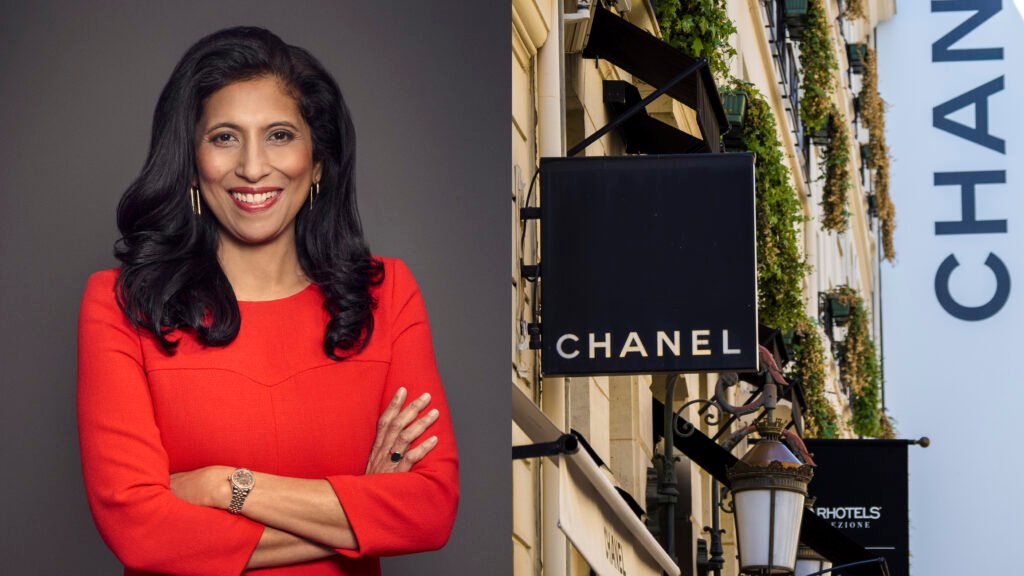
Her arrival at Chanel was compelling precisely because she did not follow the expected path into fashion. Rather than rising through design studios or luxury conglomerates, Nair spent decades developing her leadership philosophy within a global consumer business. That experience gave her a perspective centred not only on performance, but on people, culture and the environments in which creativity is allowed to flourish.
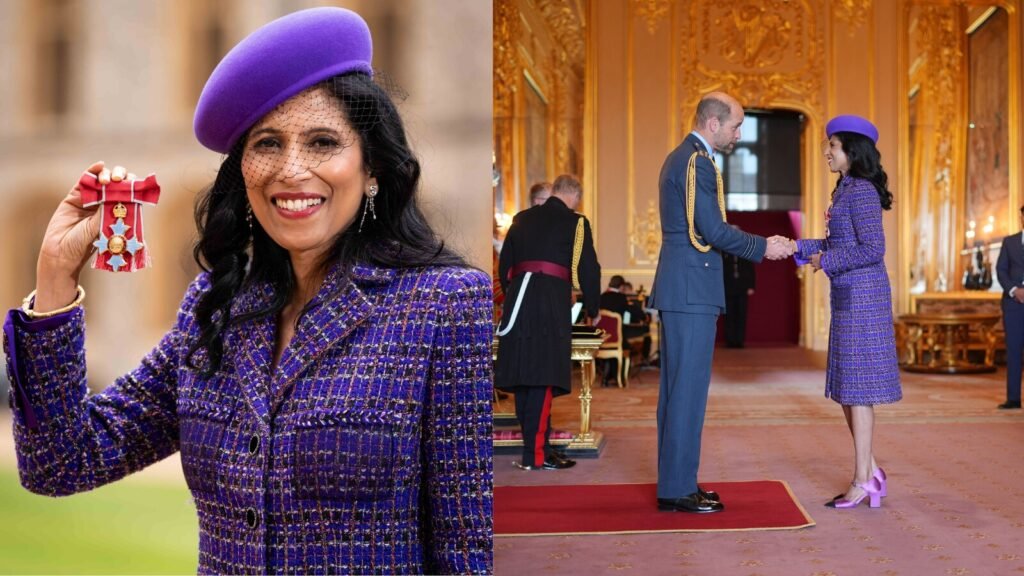
At Chanel, that approach feels particularly significant. The house is one of the most protected and recognisable names in luxury, carrying a visual language that extends far beyond fashion. Its jackets, handbags, jewellery, fragrances and beauty collections are woven into the history of modern elegance. Leading such an institution requires respect for what has already been built, but also the confidence to guide it towards a new generation.

Nair’s leadership style appears less interested in dramatic declarations than in thoughtful evolution. She speaks about listening, learning and understanding an organisation before attempting to reshape it. In a market that often celebrates speed, her measured approach feels almost luxurious in itself. It suggests that the strongest decisions are not always the loudest, and that lasting relevance is built through patience as much as ambition.
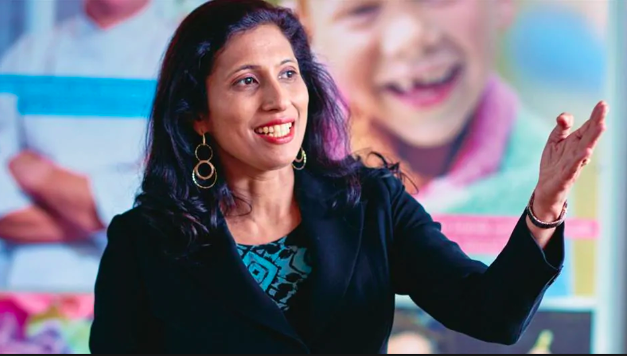
This people-first philosophy also reflects a wider change taking place within high luxury. Younger affluent consumers still value rarity and impeccable craftsmanship, but they increasingly want to understand the values behind the brands they support. They are interested in how businesses treat their people, respond to cultural change and protect the skills that make exceptional products possible. Under Nair’s leadership, Chanel’s future is not only a conversation about what the house creates, but about the human ecosystem surrounding that creation.
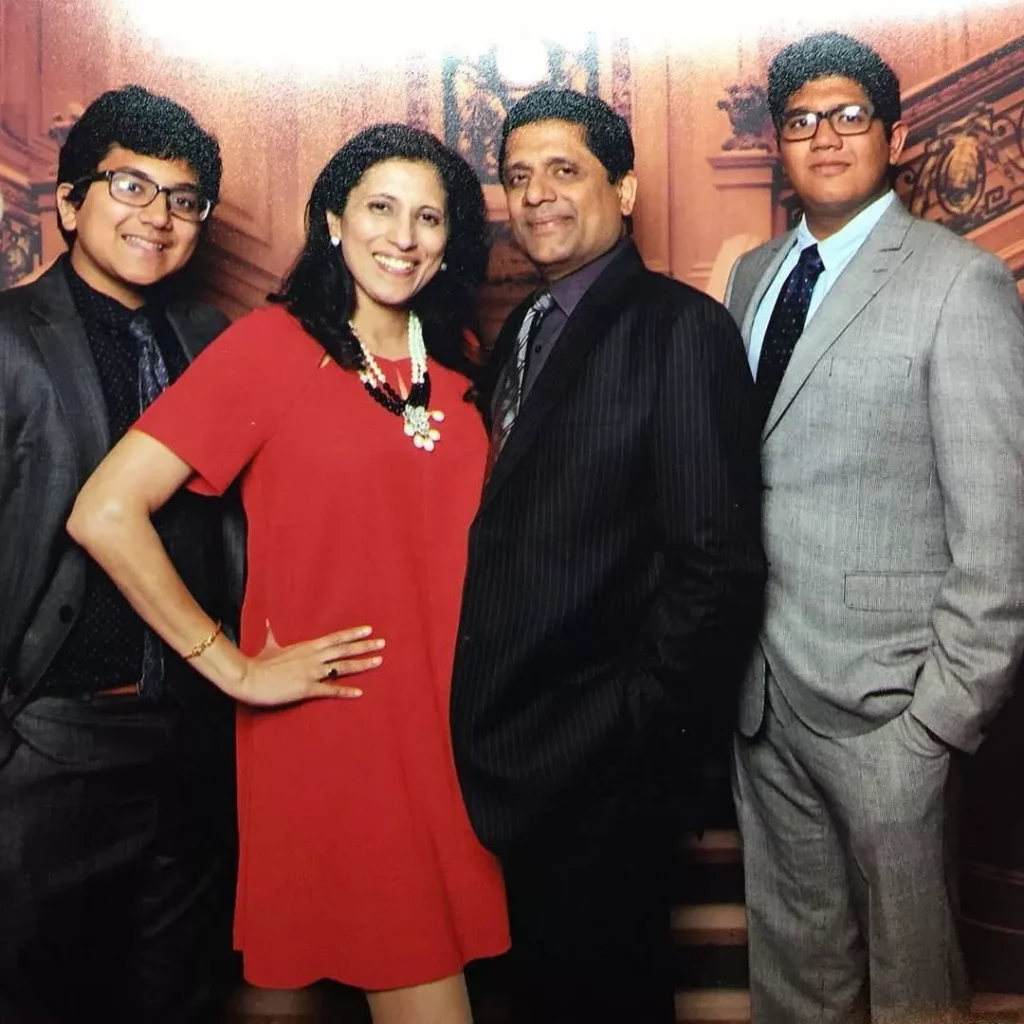
There is something especially powerful about seeing a British-Indian woman occupying one of fashion’s most influential executive positions. Her presence expands the image of who can lead at the very top of global luxury, without allowing identity alone to define her achievement. She represents experience, discipline and emotional intelligence brought together with a calm sense of purpose.
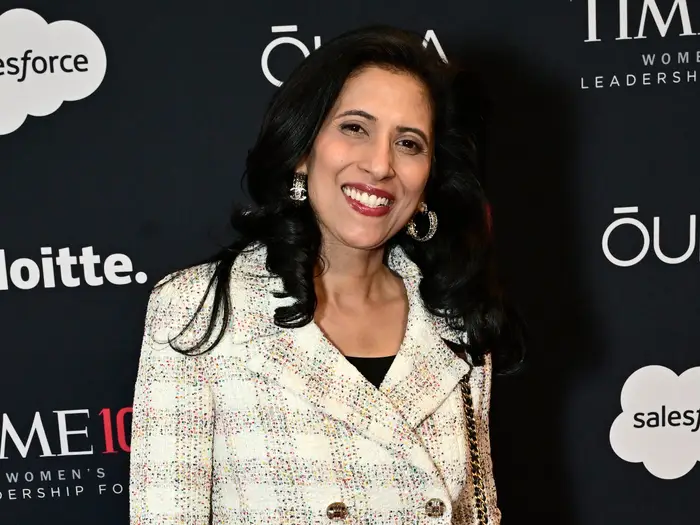
Her story also challenges the assumption that luxury must always be led from within its own traditional circles. Sometimes an outside perspective can reveal what familiarity overlooks. Nair’s strength lies in respecting Chanel’s mystery while recognising that even the most legendary houses must remain alive, curious and connected to the world around them.
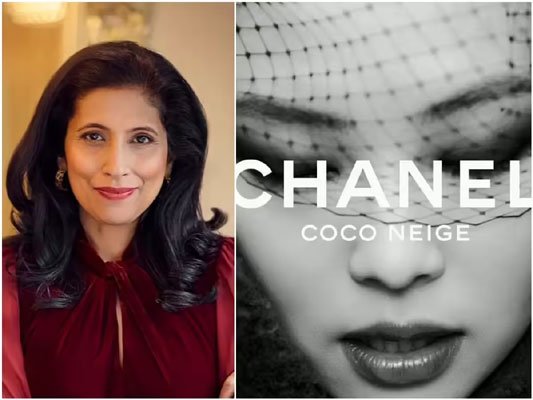
For TKT readers, Leena Nair represents a modern form of prestige built on substance rather than spectacle. She leads one of the world’s most coveted maisons, yet her most distinctive quality may be her belief that business becomes stronger when people feel seen. At Chanel, human-centred leadership is not softening luxury. It is giving the house another dimension of strength.