


















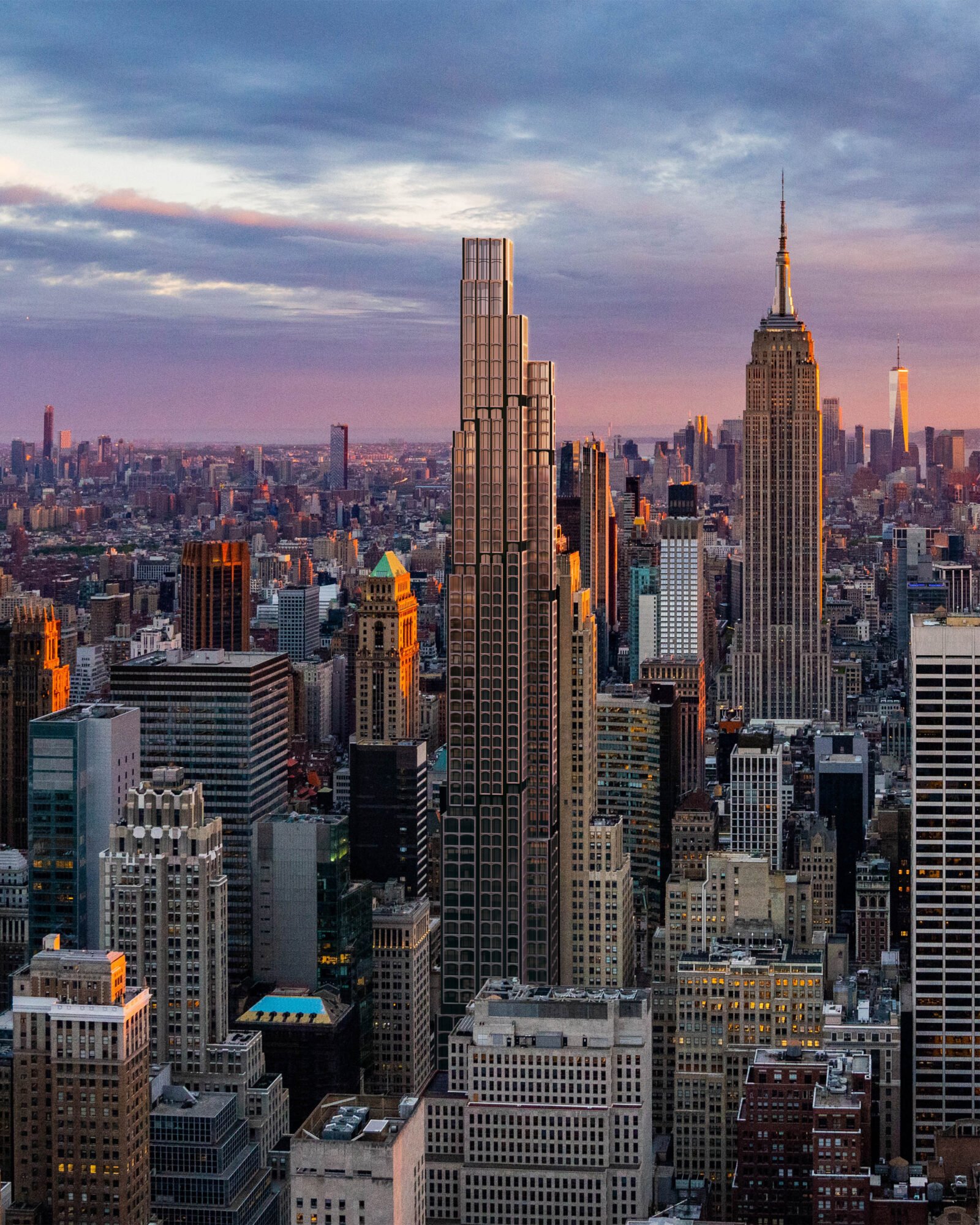
520 Fifth Avenue reinterprets classic New York architecture through soaring arches panoramic views and a modern sense of metropolitan glamour.
Fifth Avenue carries more architectural memory than almost any street in Manhattan. Its mansions, clubs, commercial landmarks, and towers trace the changing ambitions of New York, making any new addition to the avenue responsible for more than simply providing height.
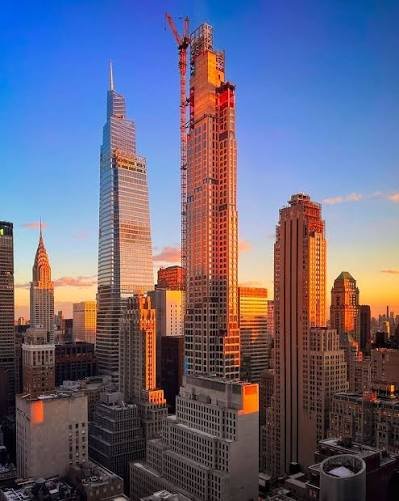
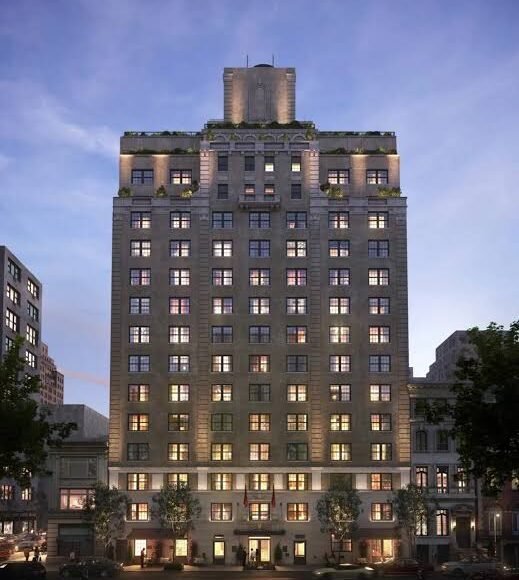
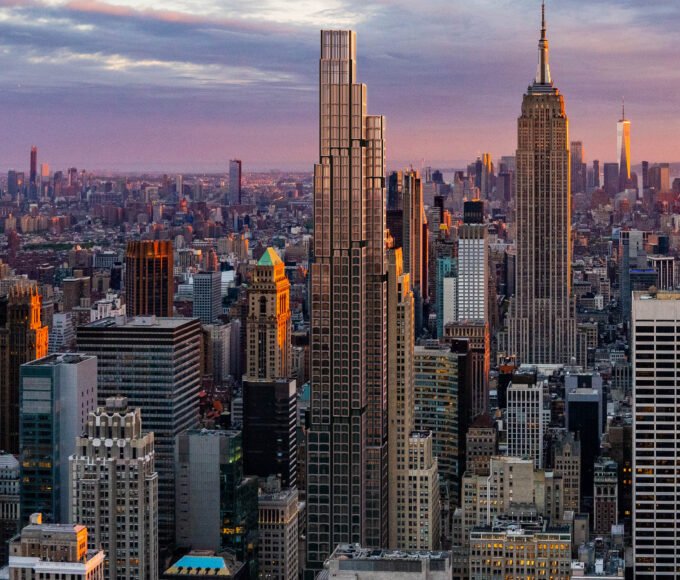
520 Fifth Avenue accepts that responsibility with unusual confidence. Designed by Kohn Pedersen Fox, the tower looks to the city’s historic architecture for inspiration while creating a distinctly contemporary profile on the Midtown skyline.
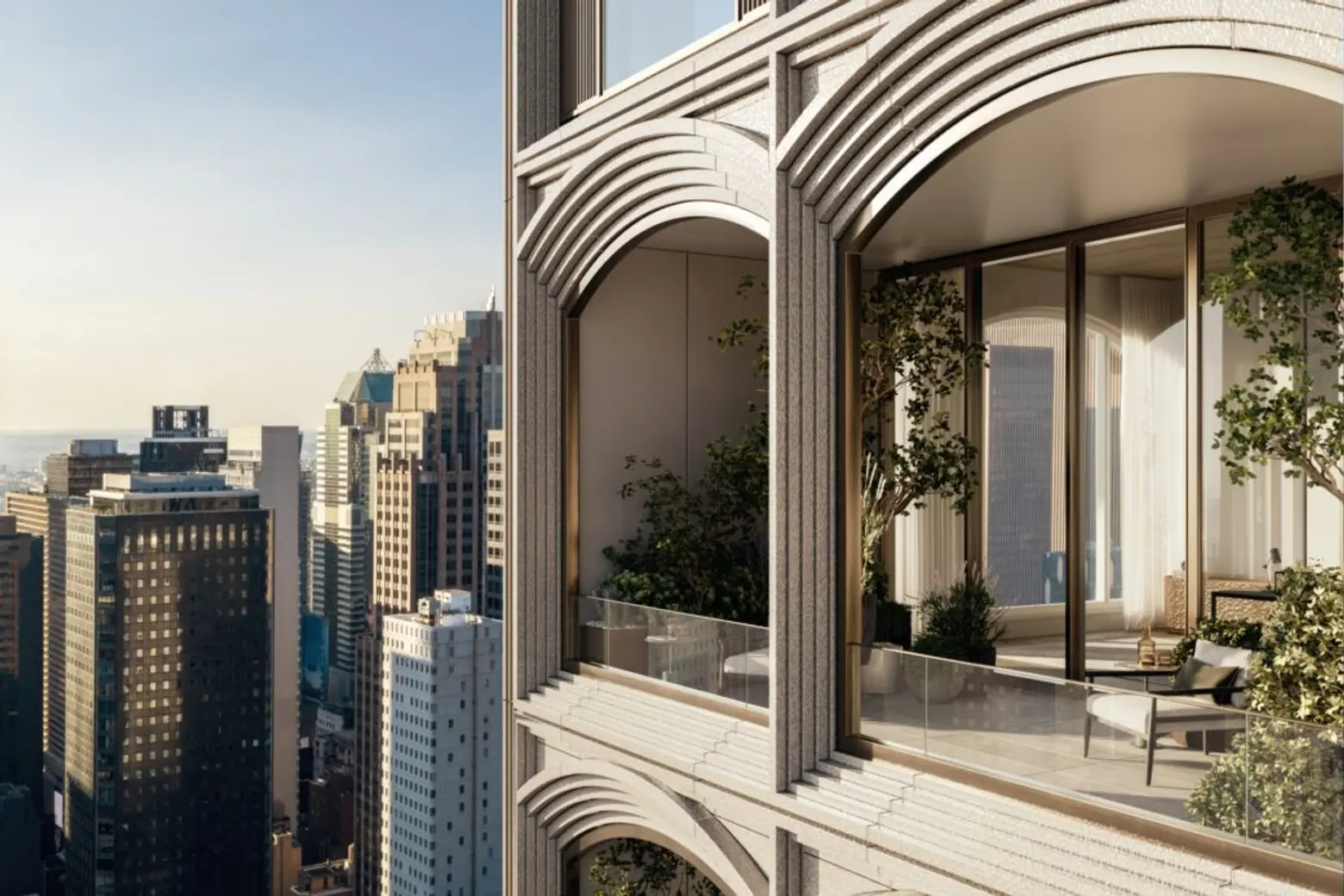
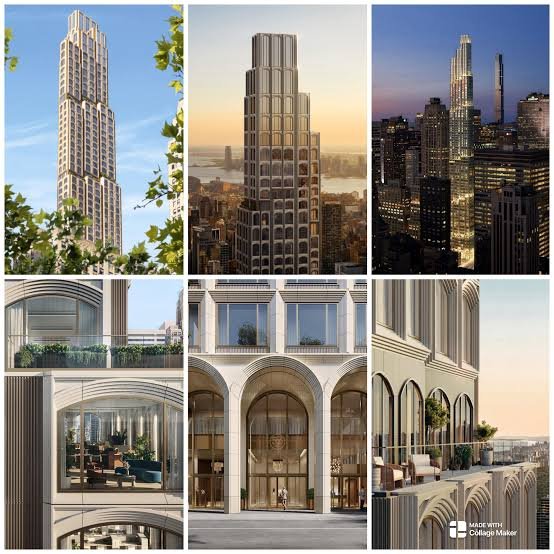
Its façade is defined by a repeated language of arches. These forms recall the windows, arcades, and carved stone buildings associated with classical New York, yet they are expressed through modern terracotta detailing and stretched across a dramatically vertical structure.
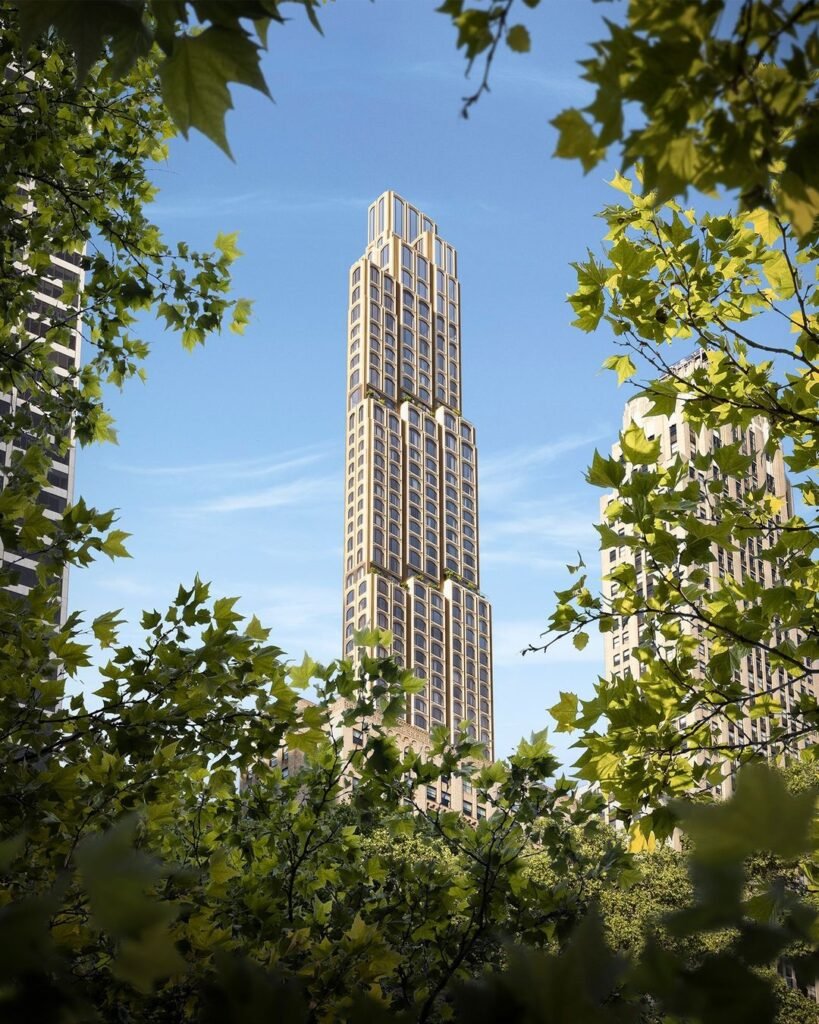
The effect gives the tower warmth and identity. Rather than appearing as another anonymous glass skyscraper, 520 Fifth Avenue feels connected to the material character of the avenue and the architectural rhythm of its neighbours.
At the base, the arches establish a strong relationship with the street. As the tower rises, setbacks and changing proportions create a more slender silhouette, allowing the architecture to respond to both the pedestrian scale below and the wider skyline above.
Only one hundred residences occupy the upper levels, making the residential experience more exclusive than the building’s height might suggest. Homes rise above the offices and private club within the mixed-use tower, giving owners exceptional elevation and broad views across Manhattan.
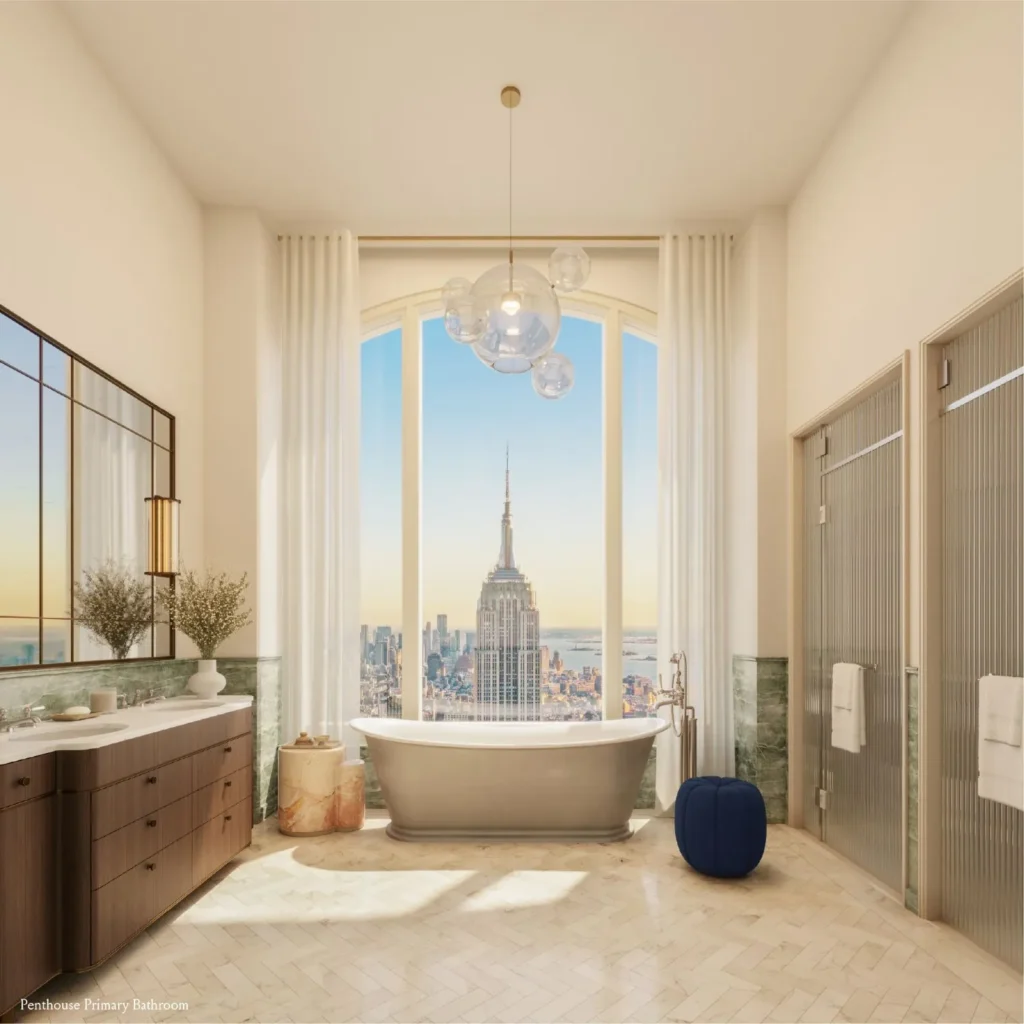
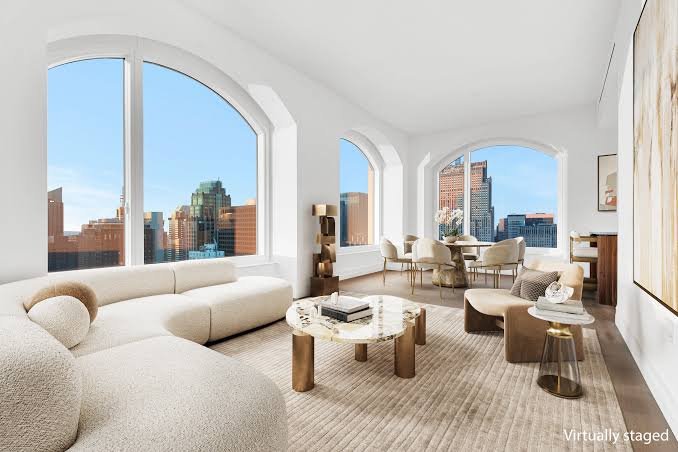
From the residences, the city opens in multiple directions. Bryant Park, Central Park, the rivers, and Midtown’s landmarks become part of the daily landscape, creating the visual freedom usually associated with much larger apartments at the city’s edges.
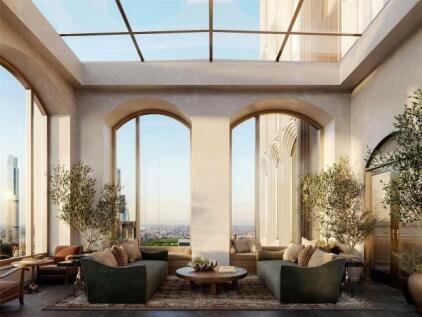
The interiors introduce a softer interpretation of New York glamour. Rich materials, carefully composed colour, and comfortable proportions balance the strength of the architecture, creating homes that feel polished without becoming austere.
This sense of warmth is important. A tower of such scale could easily feel corporate, but the residences aim to create an atmosphere that is personal, layered, and suited to both entertaining and retreat.
The private club adds another dimension to ownership. It allows residents to move between home, work, dining, and social life within the building, reflecting a more integrated approach to urban living.
Location remains one of the development’s greatest strengths. Fifth Avenue provides immediate access to Midtown’s business, culture, shopping, hospitality, and transport, while the elevated residences offer separation from the intensity below.
520 Fifth Avenue therefore occupies an interesting position between heritage and modernity. It does not attempt to recreate an earlier New York, nor does it dismiss the avenue’s history in pursuit of visual novelty.
Instead, it takes familiar architectural forms and stretches them towards the sky. The result is a tower that feels new but not disconnected, ambitious but not rootless.
For Fifth Avenue, that may be the most appropriate form of progress. The street gains another landmark, but one that understands it is joining a long-established conversation rather than beginning the story again.