











Sheikha Al Mayassa has placed culture at the centre of Qatar’s global identity through museums architecture patronage and visionary collecting.
The most sophisticated expressions of national prestige are not always measured through towers, hotels or sporting spectacles. They can also be built through museums, public art and the careful preservation of cultural memory. Sheikha Al Mayassa bint Hamad bin Khalifa Al Thani has made this understanding central to Qatar’s international identity.
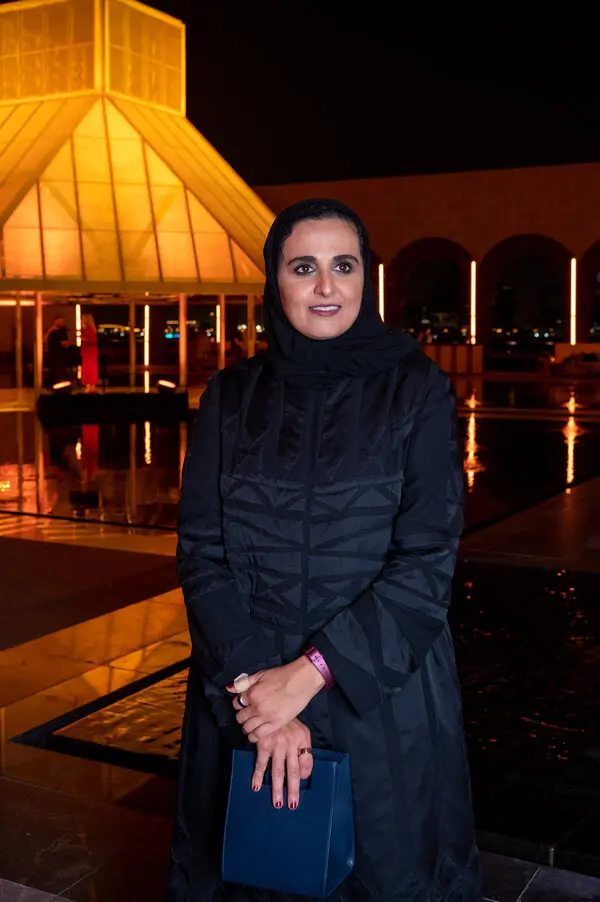
As Chairperson of Qatar Museums, she has overseen the development of an extraordinary cultural landscape. The Museum of Islamic Art, the National Museum of Qatar, Mathaf and the country’s ambitious programme of future institutions have helped position Doha as a serious global destination for art, architecture and ideas. These spaces are not merely collections inside beautiful buildings. They are statements about confidence, continuity and cultural ambition.
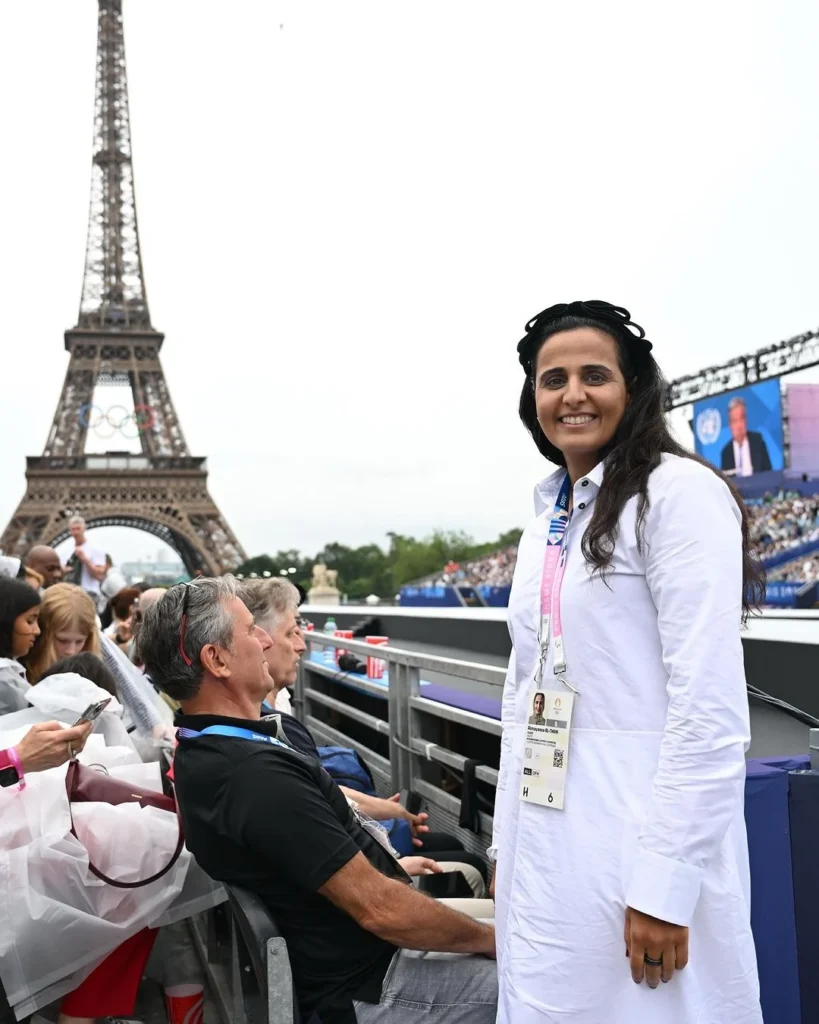
Her approach to patronage reflects a particularly modern form of influence. Rather than treating art as an accessory to wealth, Sheikha Al Mayassa presents it as a foundation for education, dialogue and national development. International masterpieces sit alongside regional voices, allowing Qatar to participate in the global art conversation without weakening its own cultural identity.
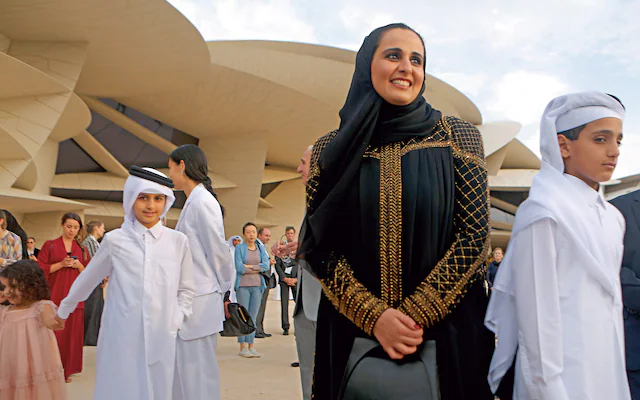
Architecture plays an equally powerful role in this vision. Qatar’s museums have been entrusted to some of the world’s most celebrated designers, creating structures that are destinations in their own right. Yet the scale of these projects is balanced by a commitment to local history, craft and the creative economy. The result is prestige with substance rather than spectacle alone.
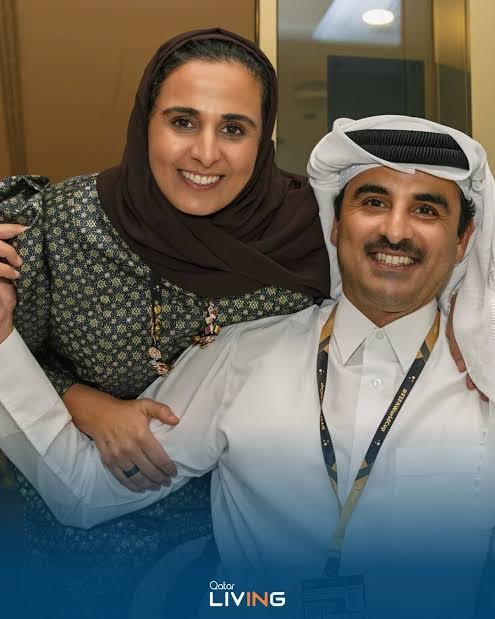
This form of cultural leadership resonates with affluent audiences because collecting has evolved beyond private ownership. Today’s most influential patrons are increasingly judged by what they make accessible, what they preserve and what kind of legacy they build for future generations. Sheikha Al Mayassa represents this transition with remarkable clarity.
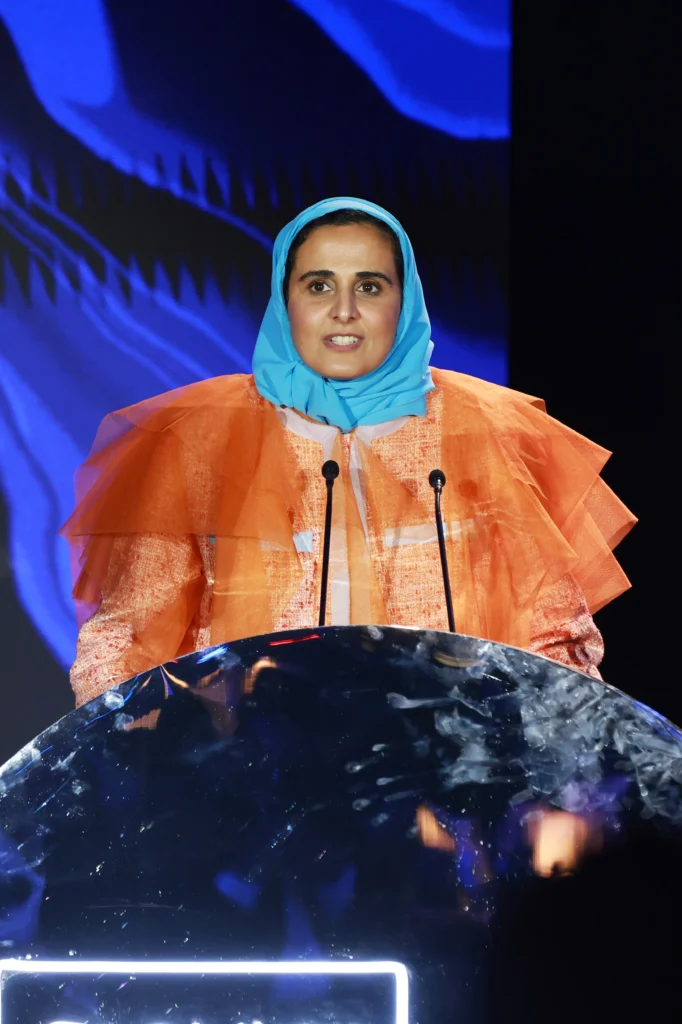
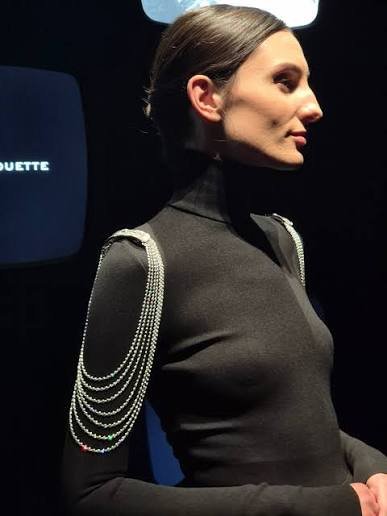
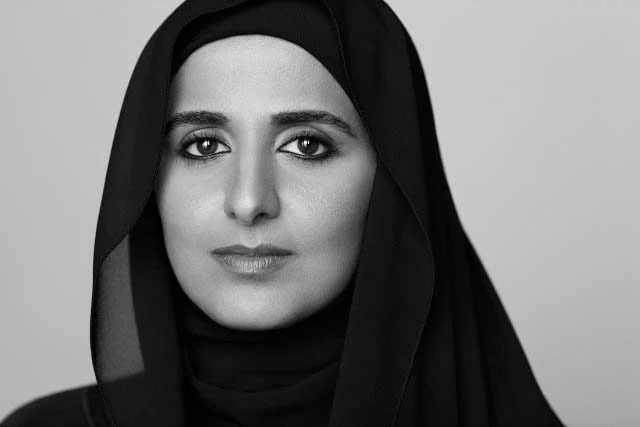
Her public image is similarly compelling. She appears poised and contemporary, often wearing fashion that reflects both international sophistication and regional identity. The elegance is present, but it never overshadows the seriousness of her work. That balance gives her a distinctive authority within the worlds of culture and luxury.
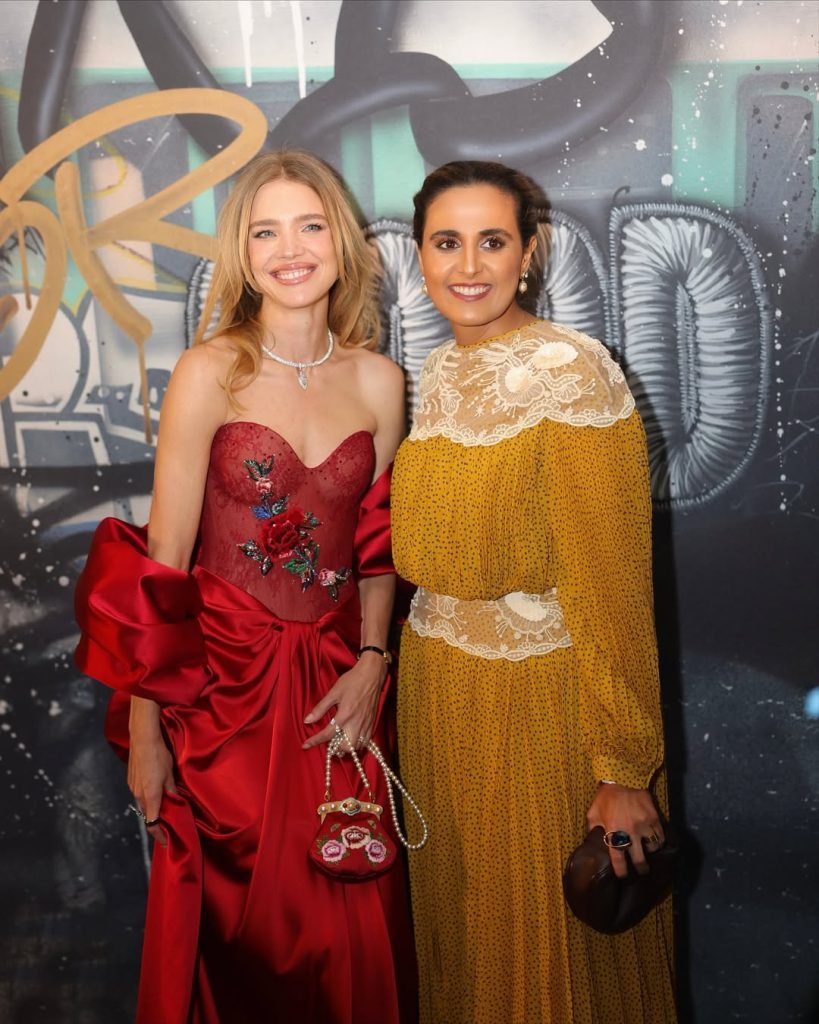
For TKT readers, Sheikha Al Mayassa embodies a higher expression of wealth and influence. She demonstrates that the most enduring luxury may be the power to shape how a nation understands itself and how the world chooses to see it.