

















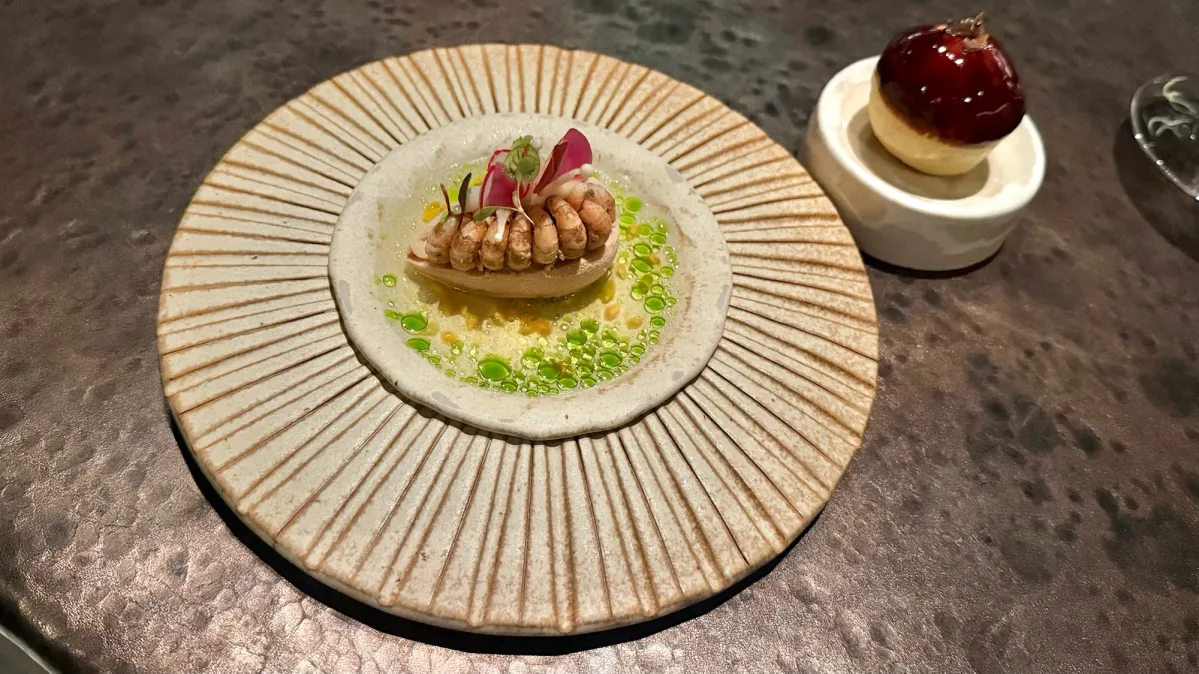
De Librije transforms a historic Zwolle setting into an imaginative Dutch dining experience where regional ingredients freedom and theatrical creativity define contemporary luxury.
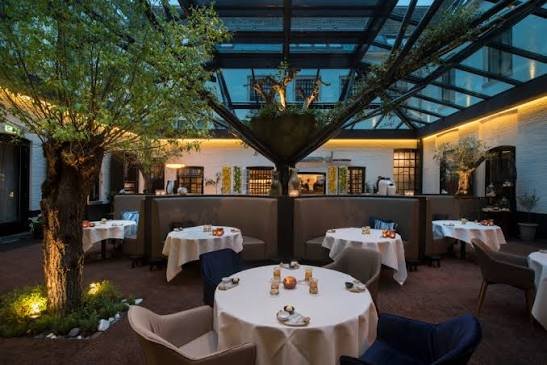
Luxury dining often feels most exciting when history and reinvention occupy the same room. De Librije brings those forces together inside a remarkable former prison setting in Zwolle where the architecture carries memory while the cuisine refuses to remain confined by tradition.
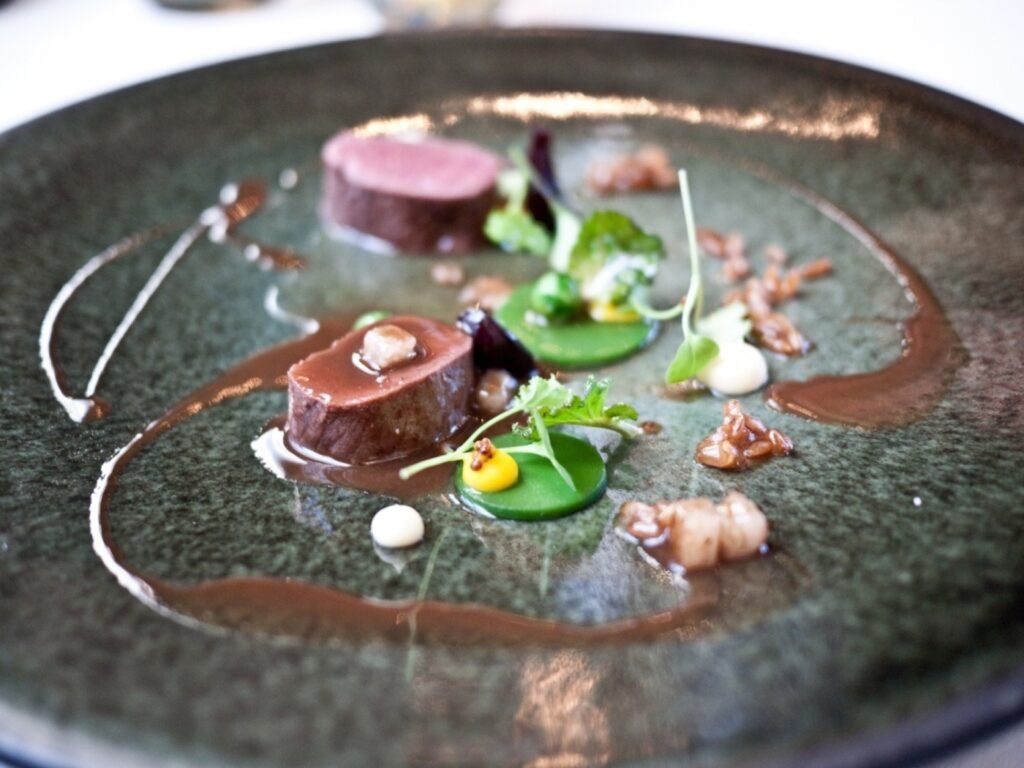
The contrast is immediately compelling. Heavy historic walls and a dramatic enclosed courtyard provide the backdrop for a restaurant known for freedom imagination and a deeply individual interpretation of Dutch ingredients.
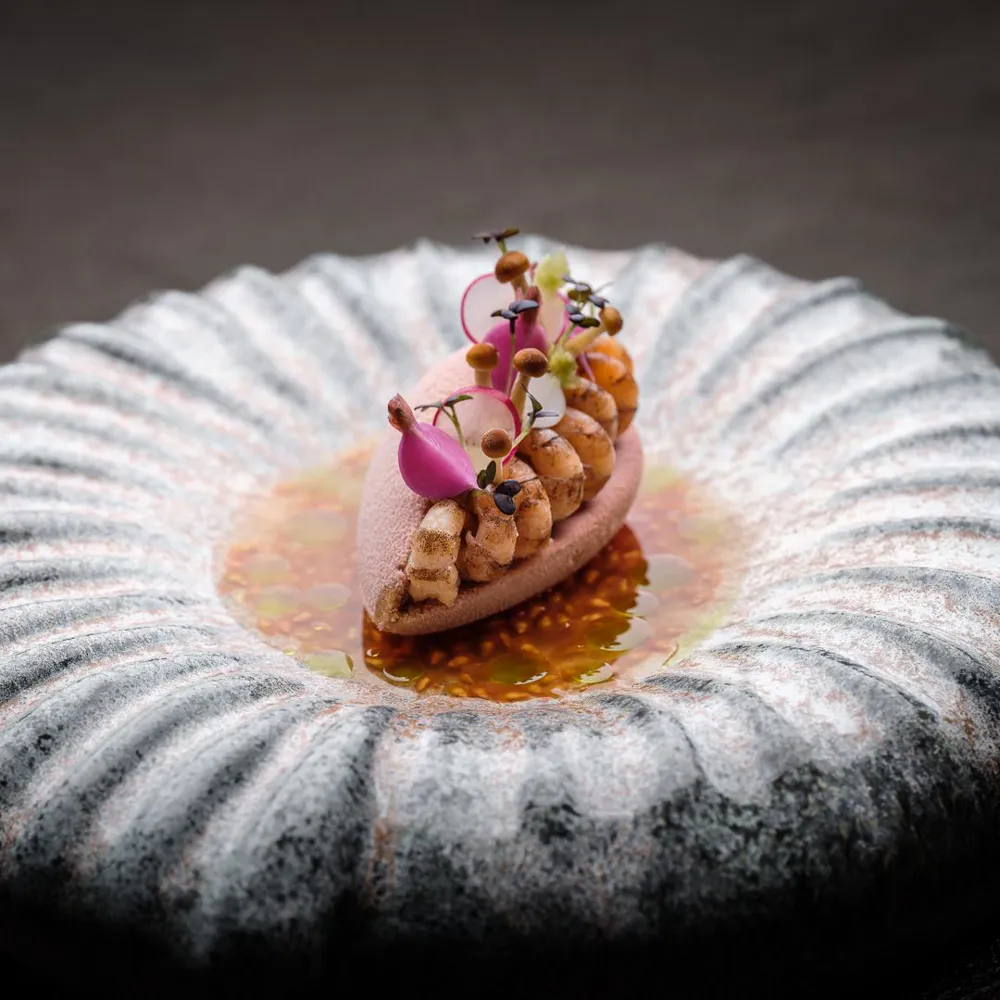
This is not heritage dining in the predictable sense. De Librije does not rely on nostalgia or recreate the past but instead uses its surroundings to heighten the energy of a culinary experience that feels playful personal and alive.
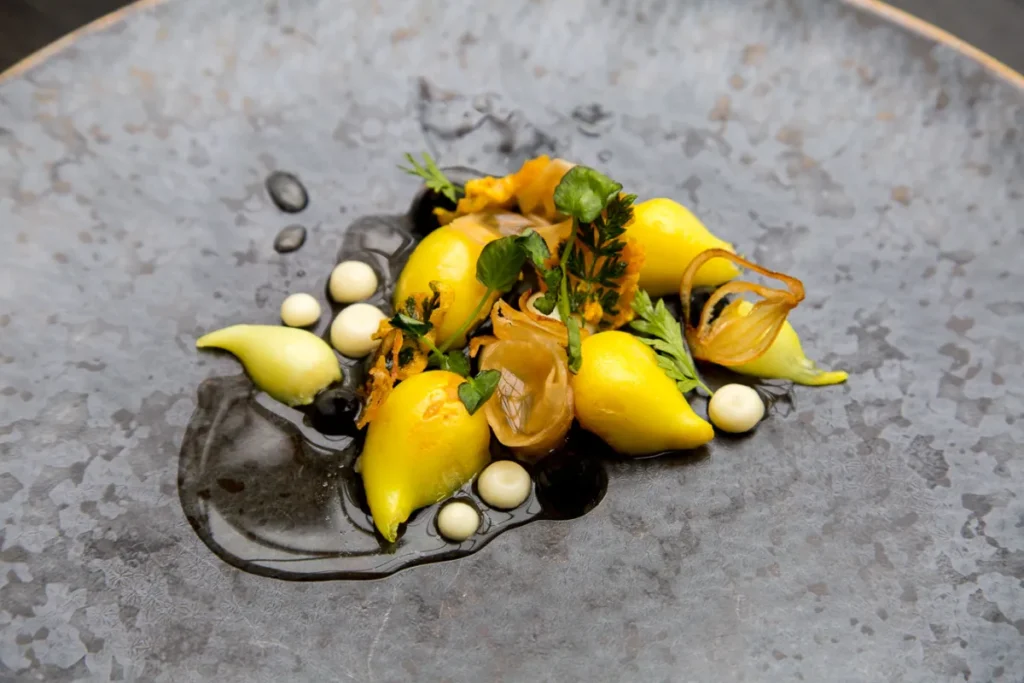
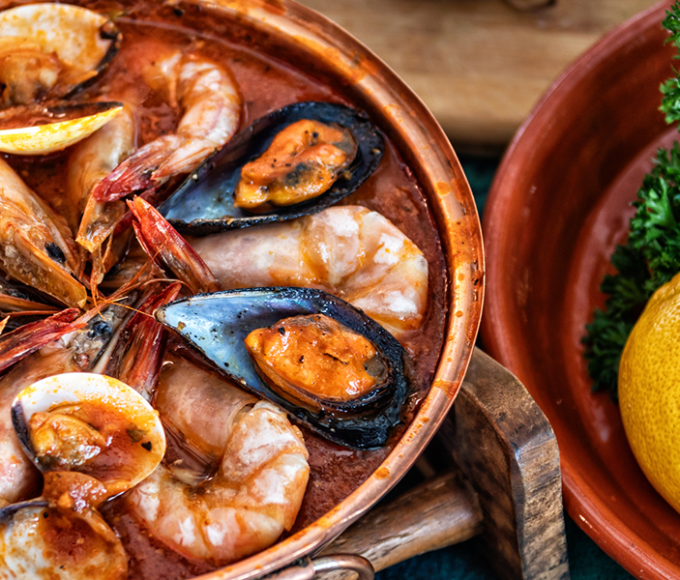
The Netherlands offers a rich but sometimes underestimated culinary landscape. Coastal waters fertile farmland dairy traditions vegetables herbs and preserved ingredients provide a diverse foundation for a restaurant willing to explore them with confidence.
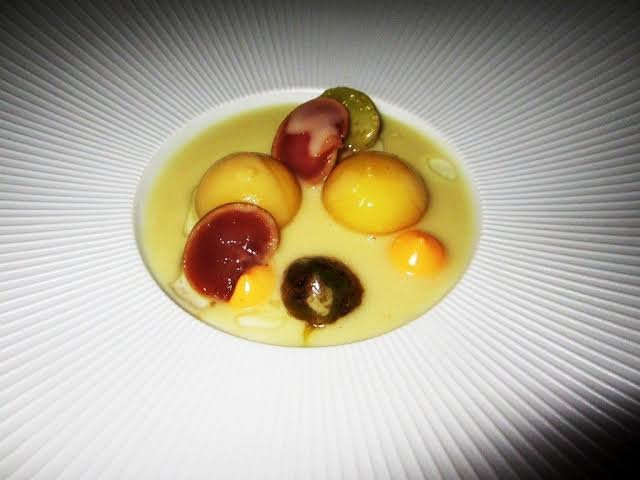
At De Librije local sourcing becomes a creative tool rather than a limitation. Familiar ingredients are treated with curiosity and transformed through combinations that can feel surprising while remaining connected to the region.
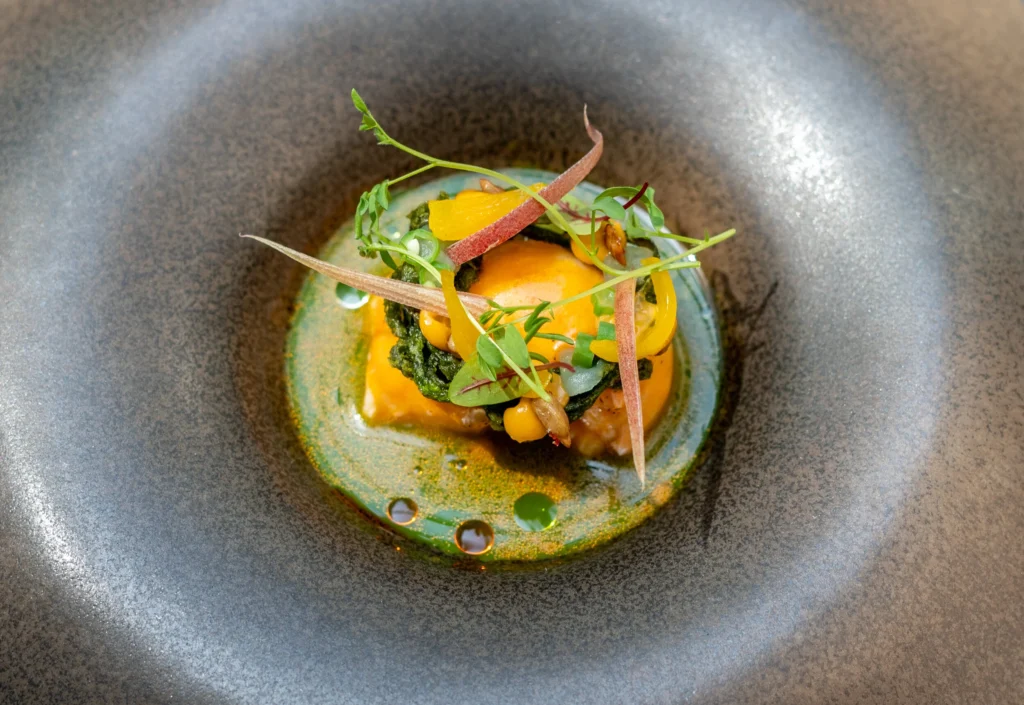
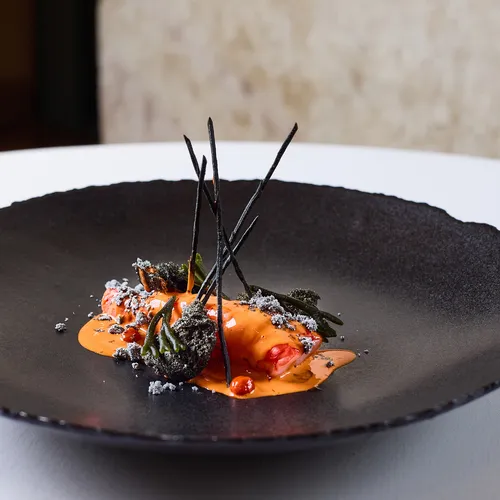
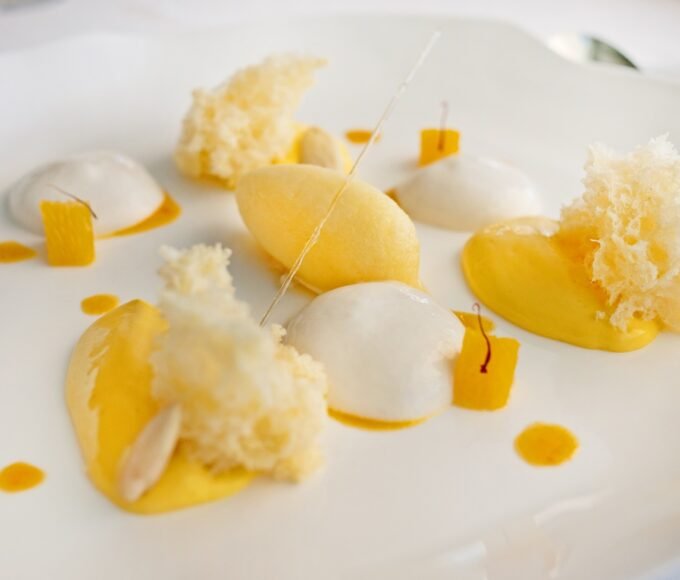
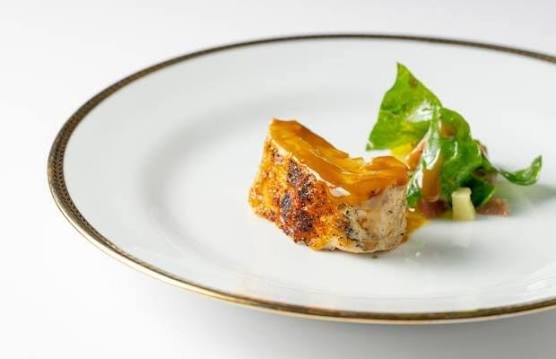
The dishes often possess strong visual character. Colour texture and unusual forms create an element of theatre but the presentation never loses sight of flavour or the emotional pleasure of eating.
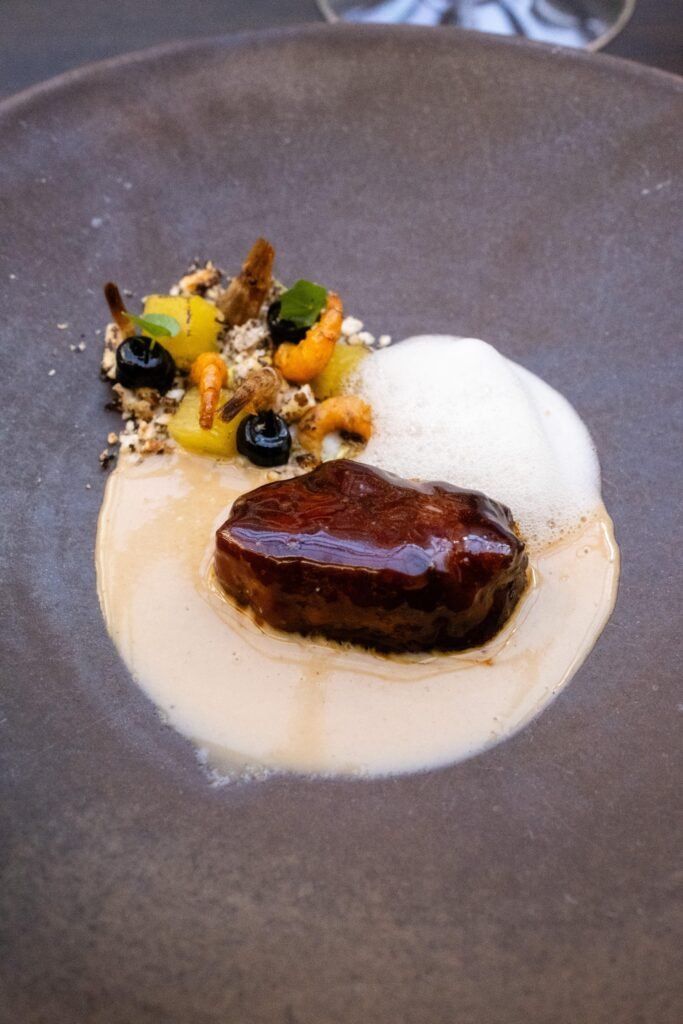
This balance between seriousness and play is one of the restaurant’s defining strengths. Fine dining can sometimes become overly formal but De Librije maintains a sense of personality that makes the experience feel generous rather than intimidating.
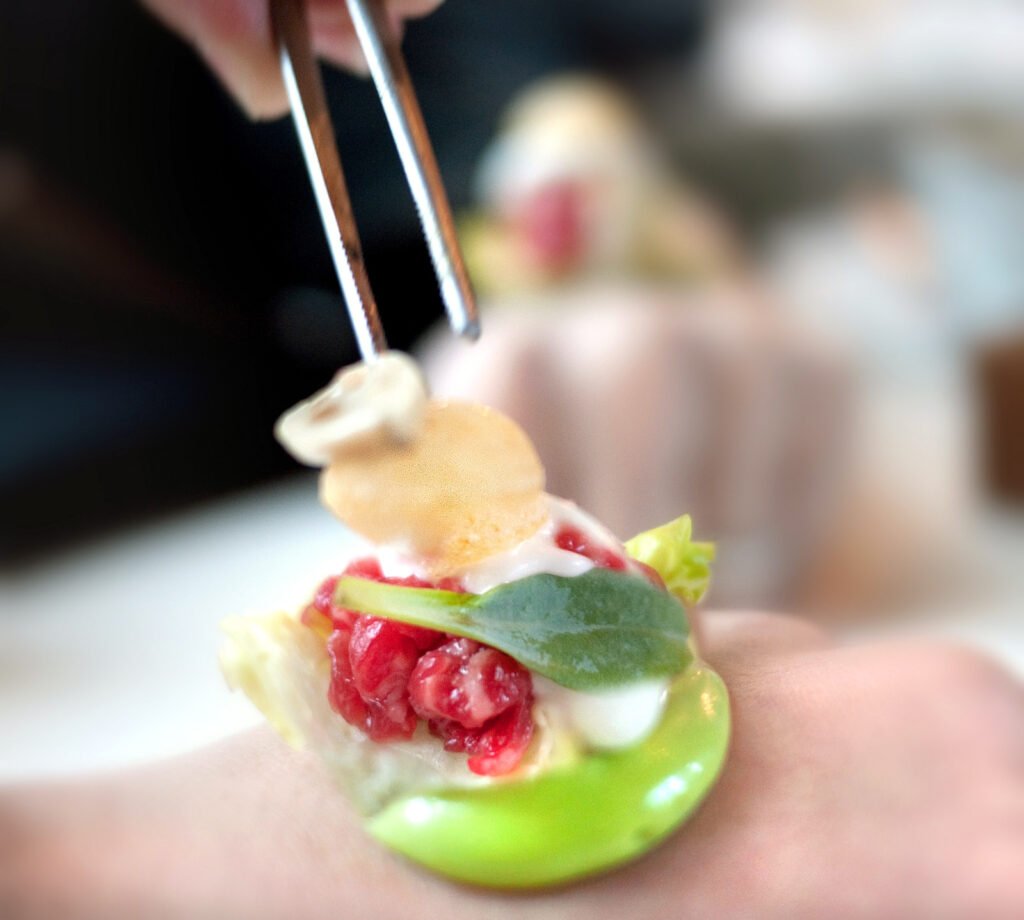
The historic setting adds another layer of exclusivity. Guests are not simply entering a dining room but stepping into a destination with architectural drama and a story that immediately separates it from conventional luxury restaurants.
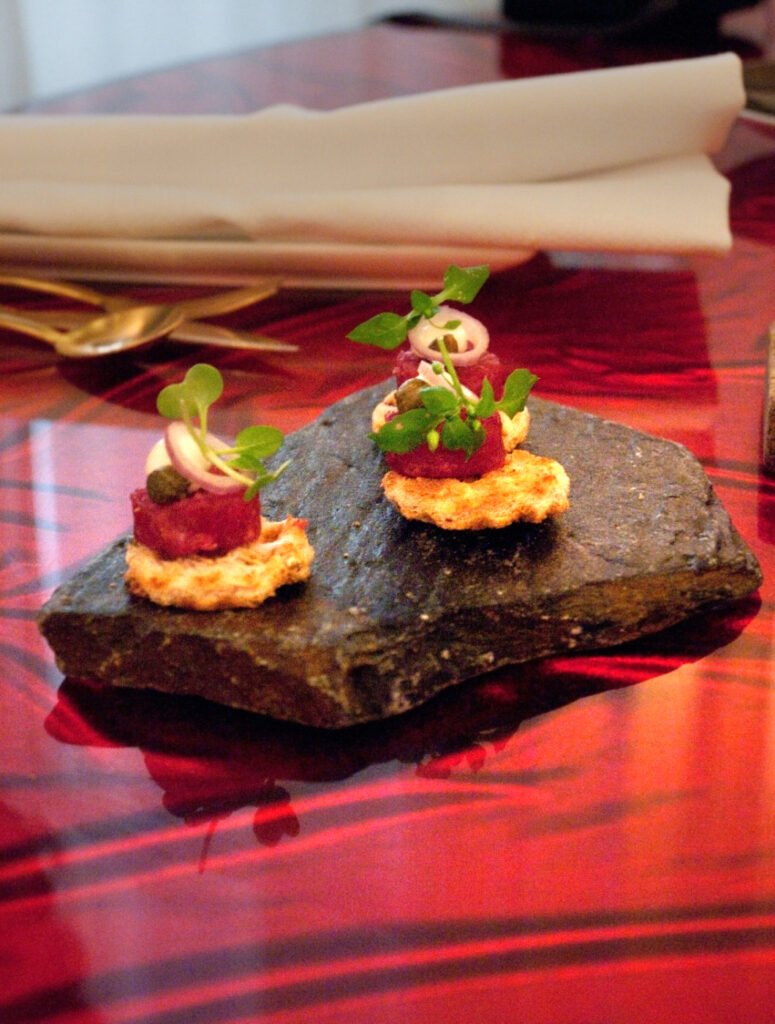
That individuality reflects an important shift in contemporary hospitality. Diners increasingly prefer places with a clear and unmistakable identity rather than polished spaces that could exist in any major city.
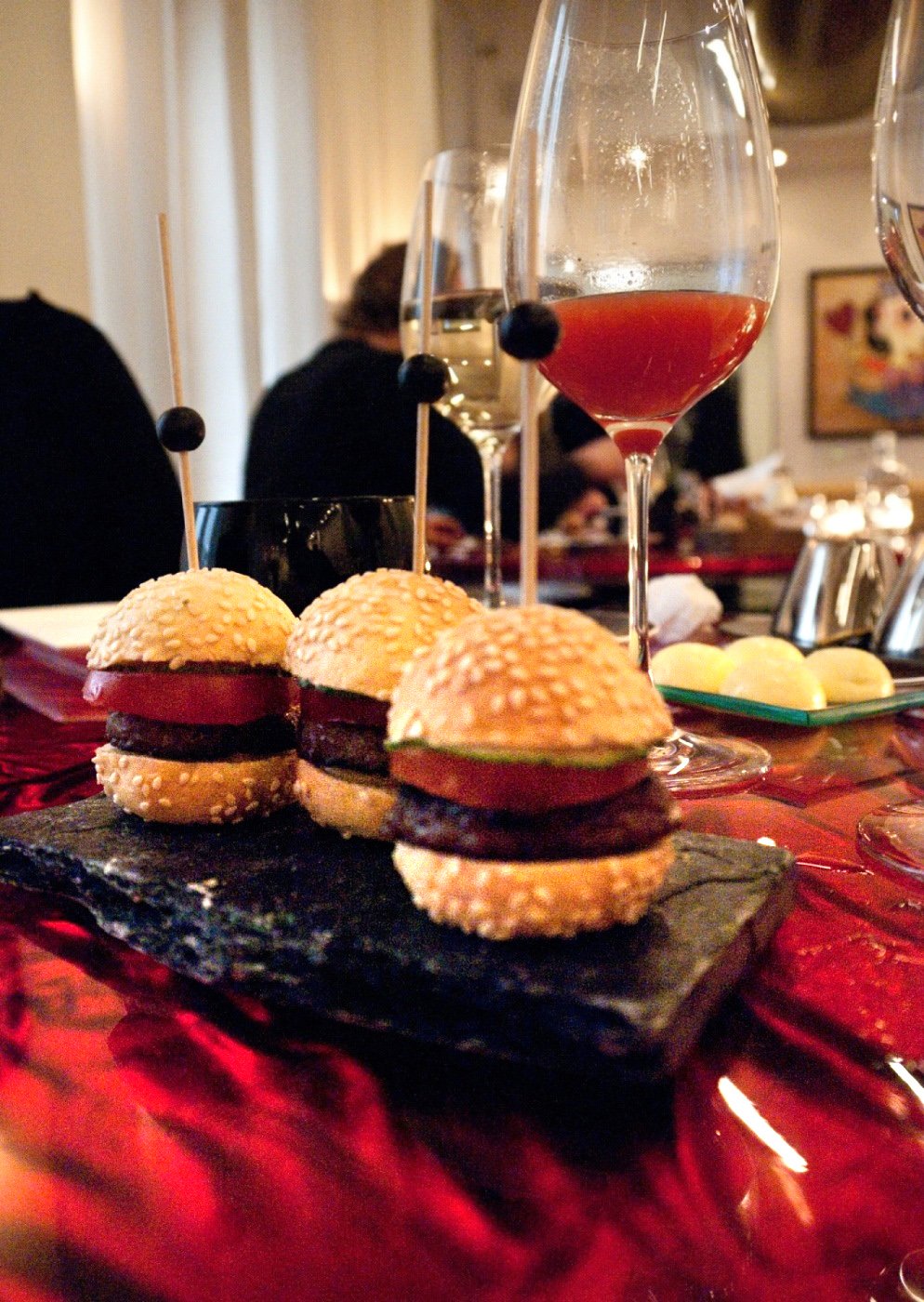
Service contributes to the sense of freedom. The evening is carefully choreographed but it retains warmth humour and spontaneity allowing guests to feel part of the restaurant’s creative world.
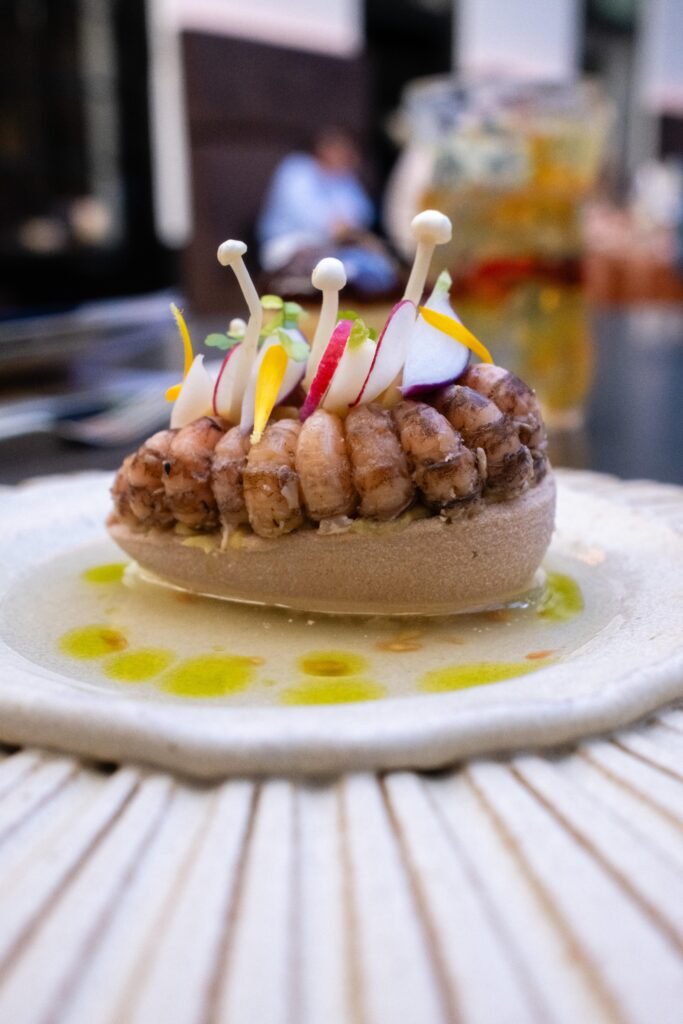
For TKT readers De Librije offers extensive visual possibilities. The former prison interiors the open courtyard the expressive dishes and the surrounding Dutch setting provide strong material for an article that feels both luxurious and unusual.
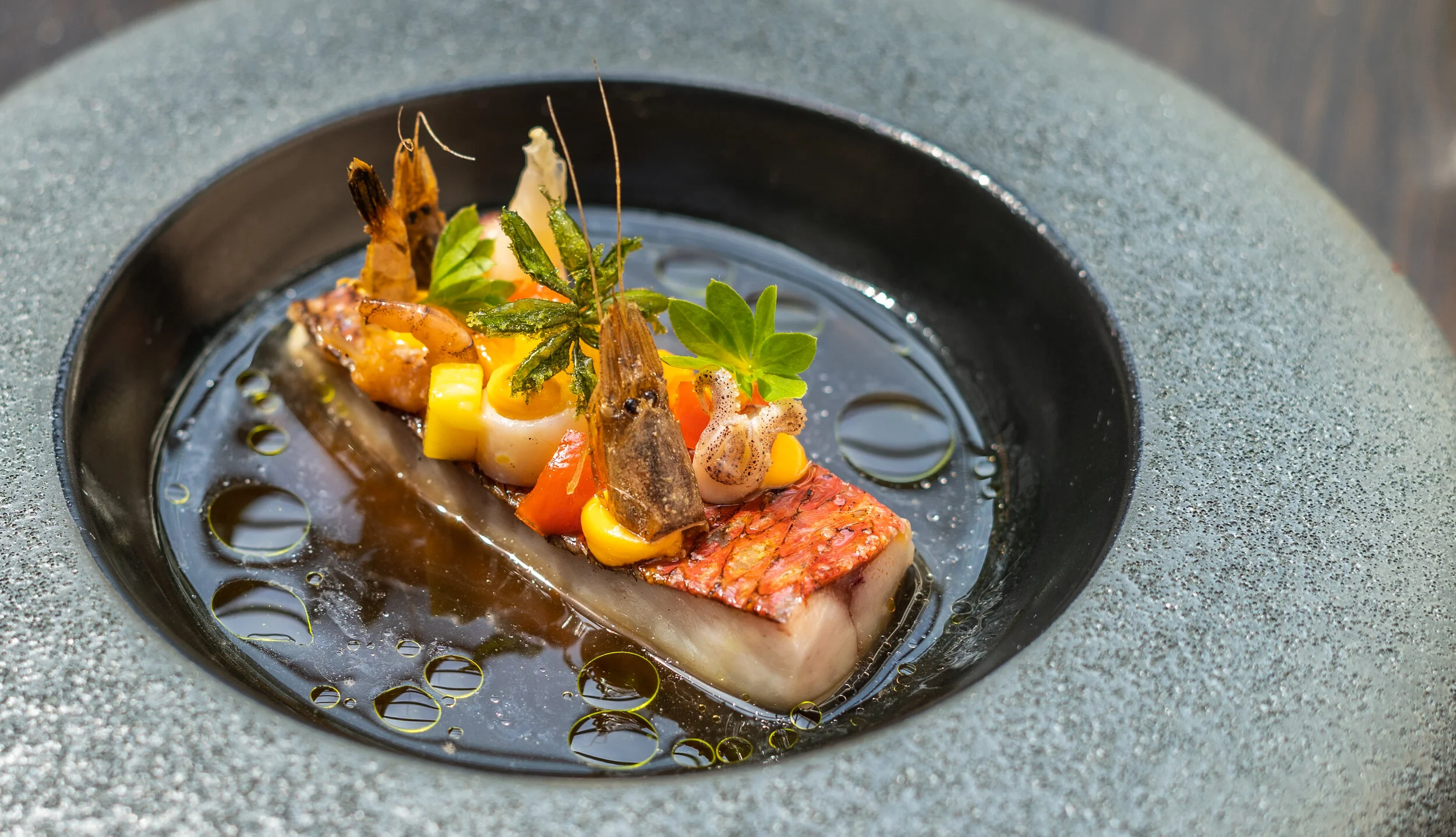
It also expands the geographical language of fine dining. The Netherlands is presented not as an alternative to the classic culinary capitals but as a destination with its own confidence ingredients and highly developed sense of modern taste.
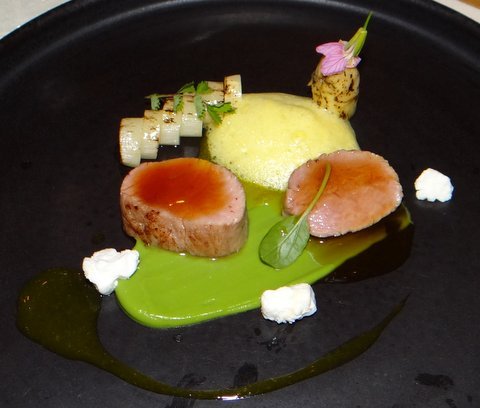
De Librije proves that luxury does not need to be restrained to feel sophisticated. It can be colourful theatrical and full of character while still delivering precision and exceptional craftsmanship.
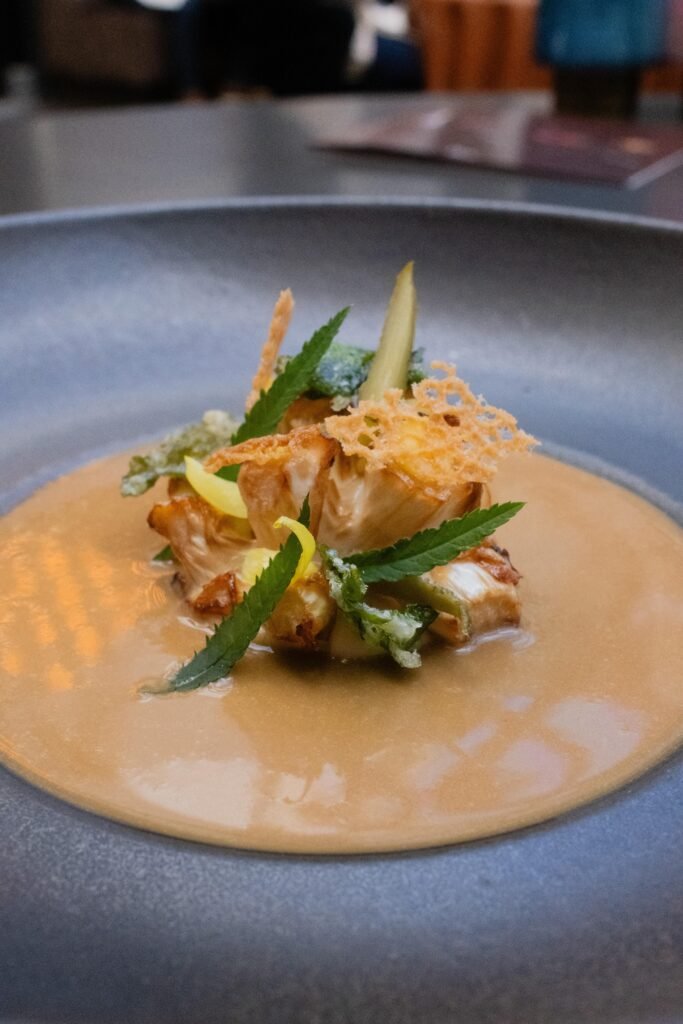
Behind the old prison walls the restaurant has created a world defined by imagination rather than restriction. That tension gives De Librije its enduring fascination and makes it one of Europe’s most distinctive culinary experiences.