









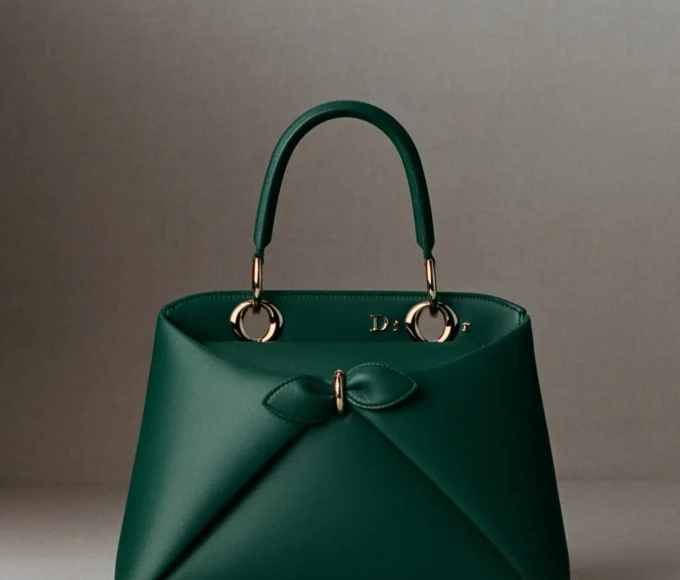











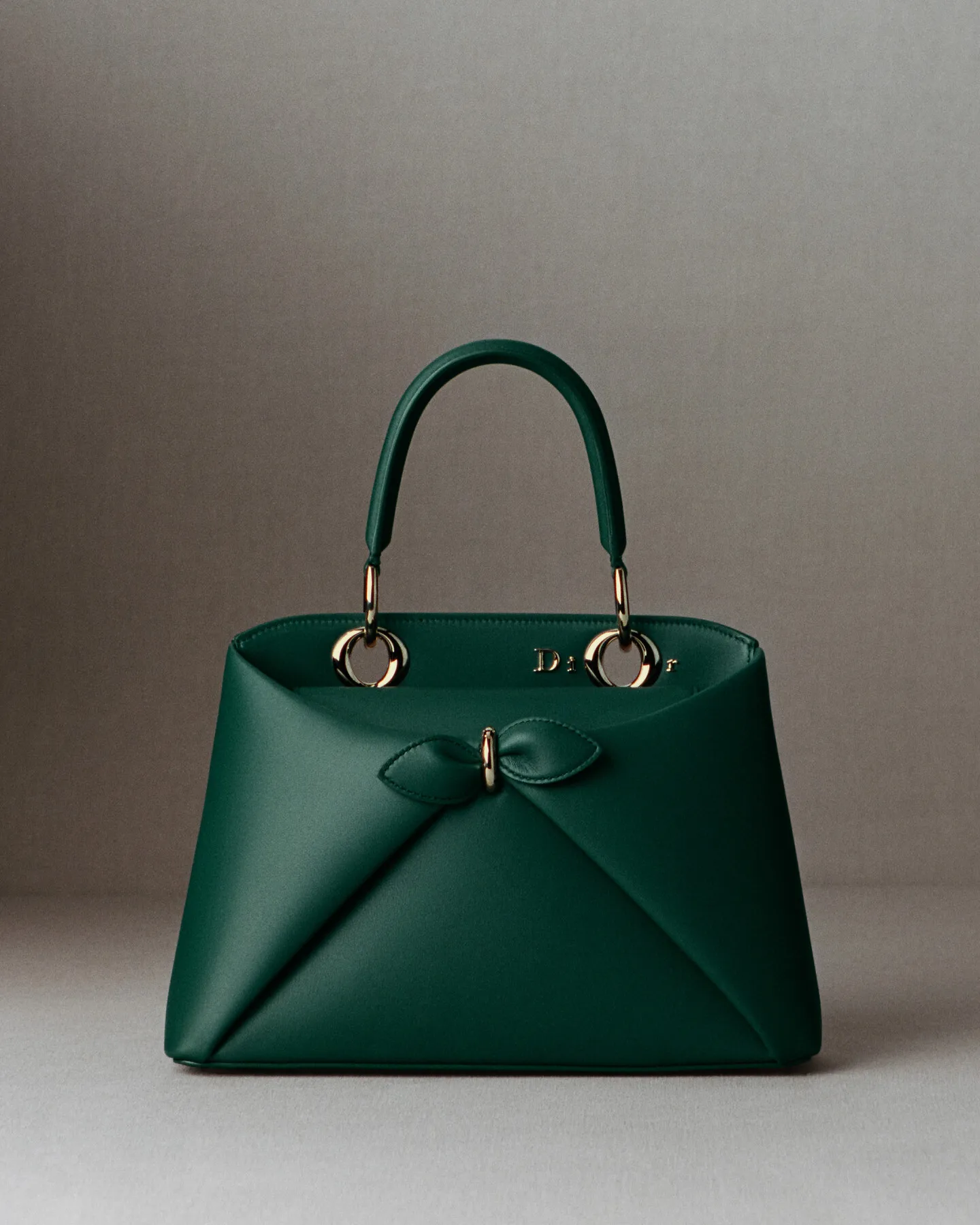
Dior’s Cigale bag transforms the architectural precision of a 1952 couture gown into a modern leather object shaped by Jonathan Anderson’s fresh vision.
Christian Dior understood that fabric could be used almost like architecture. His silhouettes created volume, tension, and disciplined movement around the body, giving couture a sense of structure without sacrificing femininity. The Dior Cigale bag translates that philosophy into leather with striking clarity.
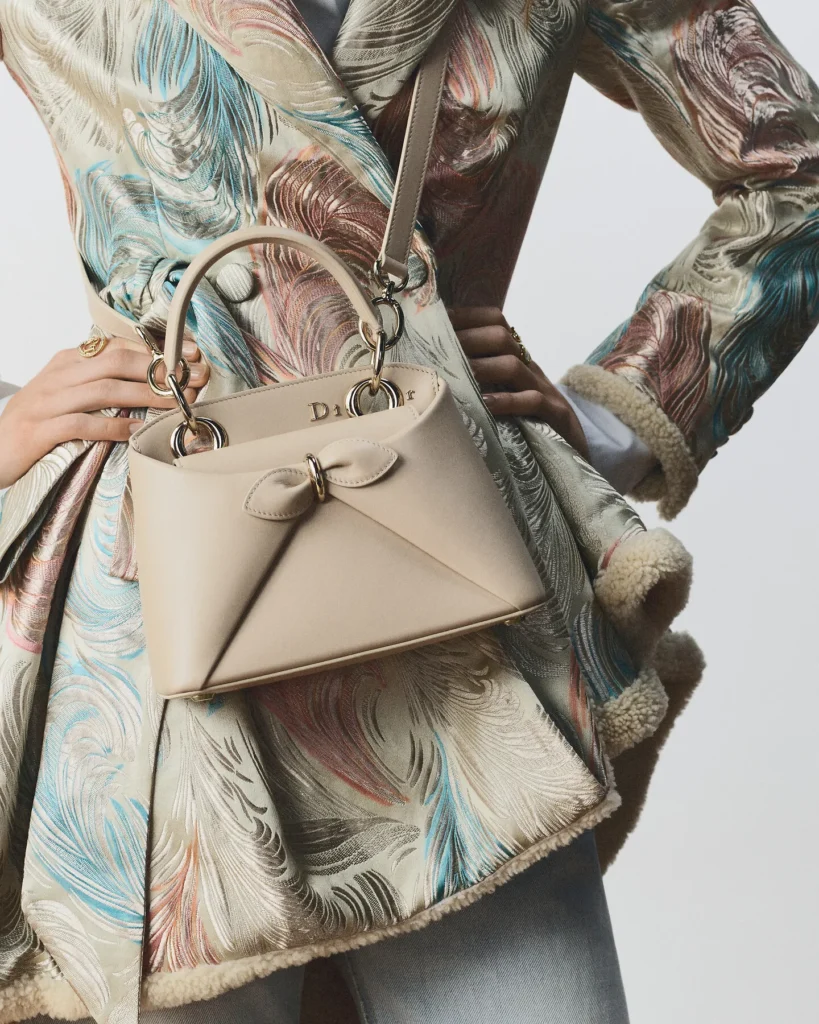
The design draws inspiration from the lines of a 1952 gown, but it does not appear trapped within the archive. Under Jonathan Anderson’s direction, the couture reference becomes a starting point for something sharper and more contemporary. The bag feels informed by history rather than overwhelmed by it.
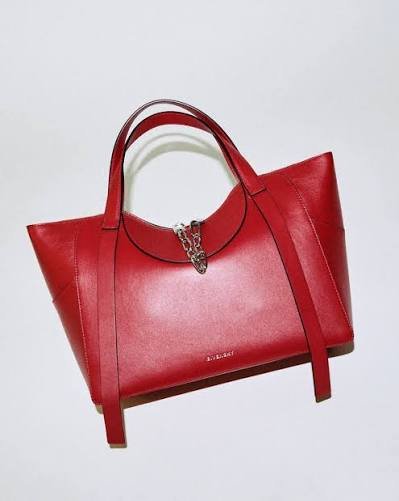
Its silhouette is controlled and sculptural. Clean planes meet carefully judged curves, creating a handbag that feels almost constructed around an invisible framework. Yet the leather and craftsmanship soften the effect, ensuring the design remains tactile rather than purely conceptual.
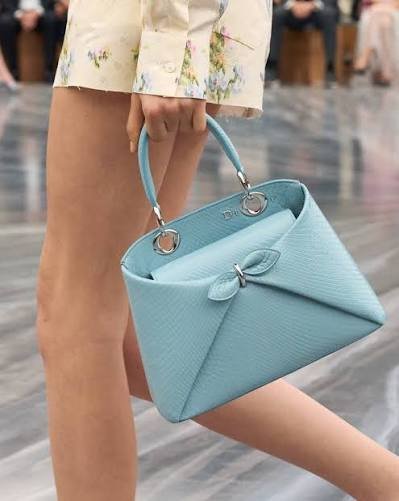
The Cigale’s greatest strength may be its restraint. Dior signatures are present, but they do not interrupt the architecture. A discreet playfulness in the branding allows the shape to remain dominant, giving the bag an intelligence that reveals itself gradually.
This is a particularly interesting direction for Dior leather goods. The house has many established icons rooted in recognisable codes, but the Cigale introduces a different type of authority. It asks the wearer to respond first to proportion and construction rather than to familiarity.
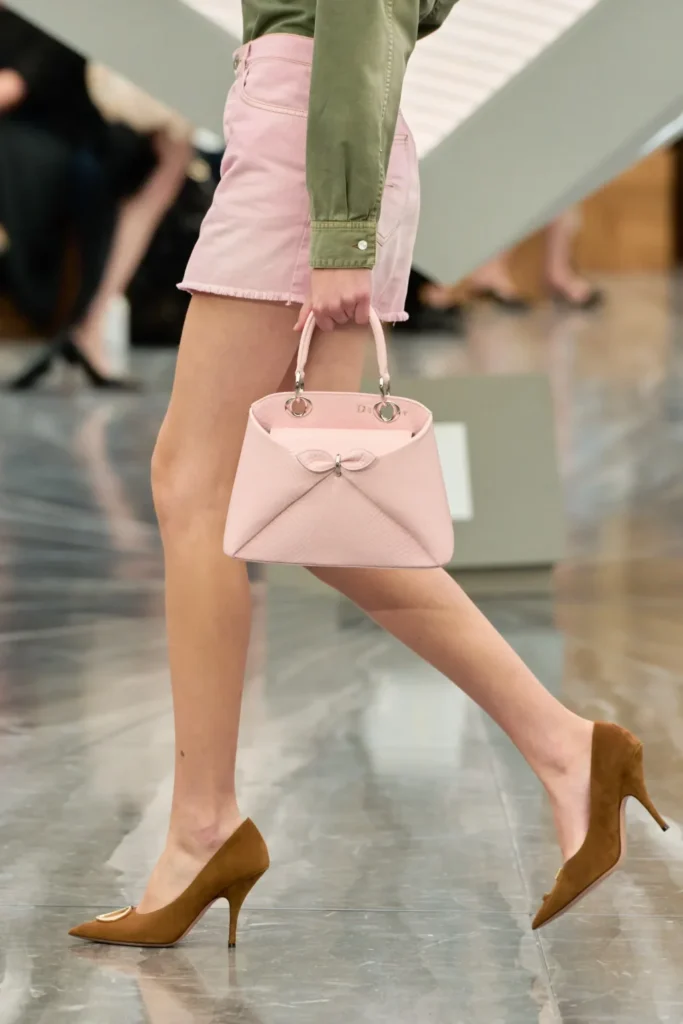
The bag also connects naturally with the modern return to sculpted dressing. Tailored waists, defined shoulders, and carefully controlled volumes have re-entered luxury fashion, creating a wardrobe in which accessories must hold their own. The Cigale does so without becoming heavy or overly formal.
Its couture origin gives it emotional depth. Carrying the bag is not the same as carrying a literal piece of fashion history, but the reference provides a sense of continuity. It reminds us that a house archive can remain alive when its principles are reinterpreted rather than simply reproduced.
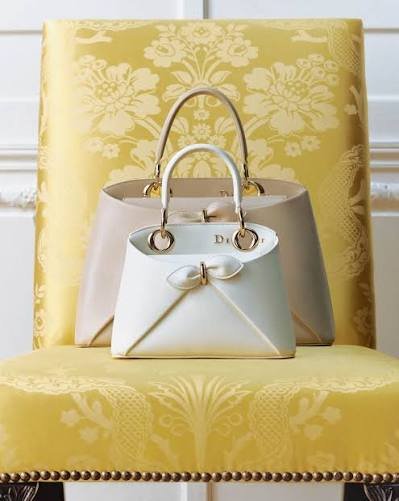
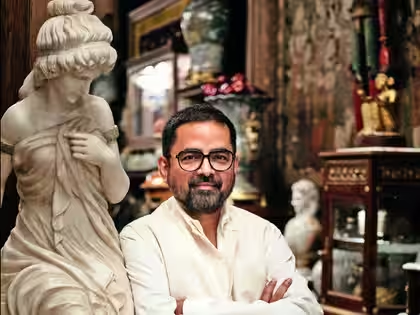
Jonathan Anderson’s involvement adds another layer of interest. His design language often combines craft, wit, and unexpected proportion, making him well suited to reconsidering Dior’s heritage. With the Cigale, he appears to respect the precision of the past while making space for a more individual future.
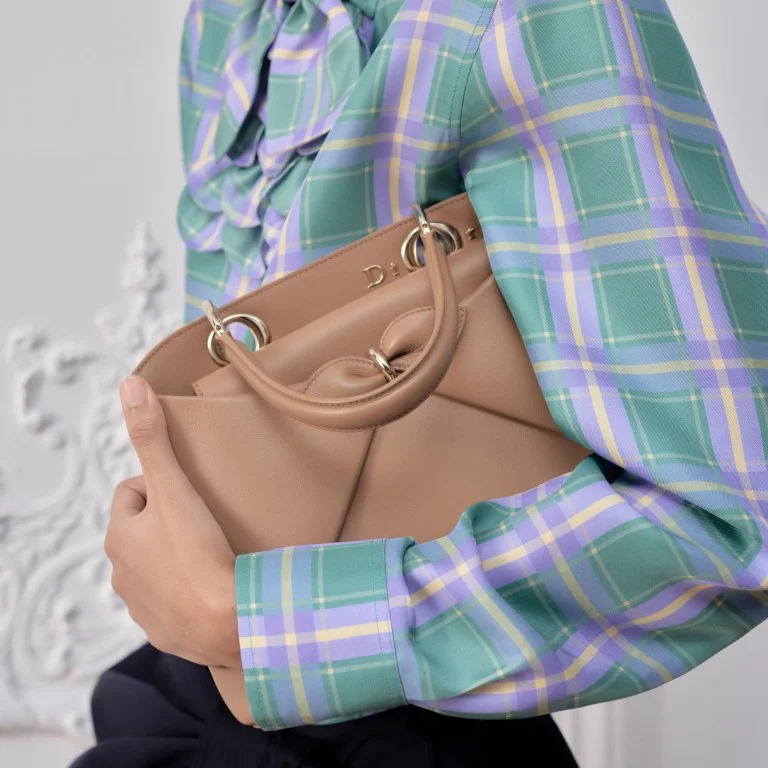
The result is a bag that looks composed from every angle. It is elegant but not predictable and historical without appearing nostalgic. Dior has taken the line of a couture gown and placed it into the hand, creating an object where architecture, leather, and fashion memory meet.