




























Whitney Wolfe Herd returns to the company she founded with a bold vision for changing how technology shapes modern human connection.
Whitney Wolfe Herd’s career has always been connected to reinvention. She helped shape the first era of mobile dating before creating Bumble around a different set of social expectations. Years later, her return to the chief executive role places her at the centre of another decisive chapter.

Bumble was built on the belief that digital connection could be designed with greater intention. Its original approach challenged familiar dating dynamics and gave the company a distinct identity within a crowded technology market. Wolfe Herd did not simply launch another app. She created a brand around behaviour, safety and the emotional experience of meeting someone.
Taking the company public made her one of the most visible young female founders in global technology. The moment became particularly powerful because she appeared at the market ceremony with her young son, presenting leadership and motherhood together rather than treating them as incompatible images.

Her return to the company reflects the complexity of founder power. Building a successful platform is one challenge, while guiding it through changing consumer habits and market pressure is another. Dating apps now face fatigue, scepticism and a growing demand for more meaningful experiences, requiring a willingness to reconsider even the features that once defined the category.
Wolfe Herd’s renewed vision places technology at a crossroads between artificial intelligence and human intimacy. The challenge is to use innovation without making connection feel more mechanical. It is an unusually personal business problem because the product operates within people’s hopes, disappointments and private emotional lives.

Her style and public presence add another dimension to the traditional technology-founder image. She represents a more polished and culturally aware form of executive leadership, moving comfortably between business forums, fashion environments and conversations about modern relationships.

This combination appeals to younger affluent audiences who increasingly view entrepreneurship as both commercial and personal. Founders are expected to express values, communicate directly and adapt visibly when the market changes. Wolfe Herd’s second act demonstrates the courage required to return and revise one’s own creation.
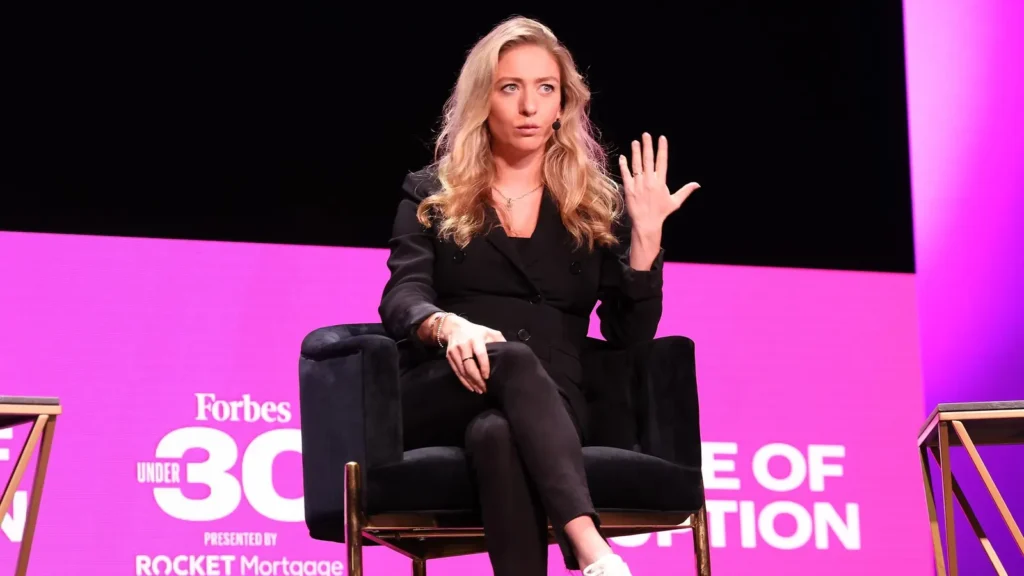
For TKT readers, Whitney Wolfe Herd represents modern founder power in motion. Her story is not a simple rise from start-up to wealth. It is an ongoing negotiation between ambition, technology and the deeply human desire to connect.